

In export operations, businesses must work directly and regularly with customs authorities. However, many companies do not fully understand this agency, its functions, responsibilities, and its impact on import-export activities. In this article, VinaOpen will help you explore the key information about customs and its role in international trade.
What Is Customs?
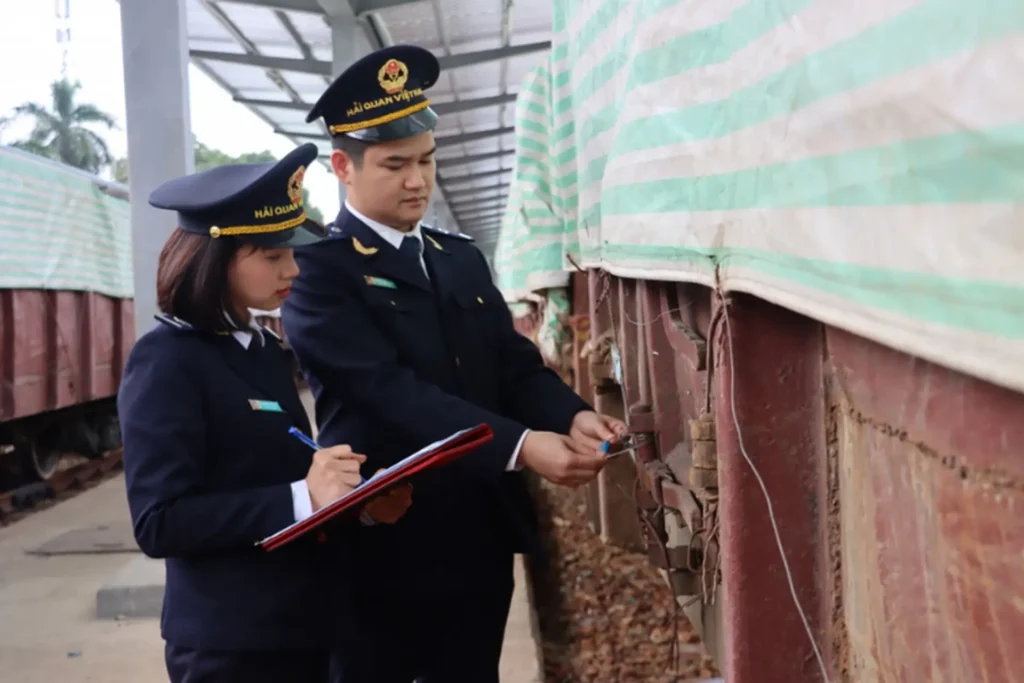
Customs is a government authority responsible for controlling goods, means of transport, and import-export activities across borders and ports of entry. Through the customs system, the government manages the flow of international trade, ensuring that all import and export activities comply with applicable laws and regulations.
Customs authorities are responsible for receiving and processing customs declarations, reviewing documentation, supervising goods, conducting customs clearance procedures, and collecting taxes related to import and export activities. In addition, customs plays an important role in combating smuggling, trade fraud, illegal transportation of goods, and other violations of the law.
Customs is a government authority responsible for controlling goods and import-export activities.
Functions of Customs in Export Activities
Customs is a key regulatory authority that inspects and supervises goods and means of transport crossing national borders. Its primary functions include:
Inspection and Supervision
Conducting customs clearance procedures, performing physical inspections of goods, and closely monitoring the movement of goods and transportation vehicles.
Tax Administration and Enforcement
Calculating, assessing, and collecting import duties, export duties, VAT, and other applicable taxes and fees.
Combating Violations
Actively preventing and combating smuggling, trade fraud, and the illegal transportation of goods across borders.
Implementing Specialized Regulatory Policies
Coordinating product quality and safety inspections while enforcing intellectual property rights regulations related to goods.
State Statistics
Collecting, compiling, and analyzing data on import-export activities to support national trade statistics and policymaking.
Customs performs inspection and supervision functions as well as many other important regulatory activities.
Responsibilities of Customs in Import and Export Activities
To carry out its functions effectively, customs authorities are assigned numerous responsibilities related to managing goods crossing borders and ports of entry.
Processing Customs Procedures for Goods and Means of Transport
Receiving declarations, reviewing supporting documents, supervising goods, and completing customs clearance procedures.
Preventing Smuggling and Trade Fraud
Conducting inspections, supervision, and customs control activities to identify import-export transactions that do not comply with regulations.
Detecting and Handling Violations of Customs Laws
Inspecting, verifying, and taking legal action against violations related to import-export activities in accordance with current laws and regulations.
Protecting National Economic Interests and Security
Preventing the transportation of prohibited goods, counterfeit products, and low-quality products while protecting domestic industries and maintaining market stability.
One of the core responsibilities of customs is managing the movement of goods through borders and ports of entry.
Read more: A Complete A-to-Z Guide to Export Customs Procedures
What Activities Are Managed by Customs?
The scope of customs management is broad, covering international trade activities, immigration and emigration procedures, and specialized forms of cargo movement.
Import and Export Goods
Import and export goods are the primary subjects managed by customs authorities.
Before goods can enter or leave Vietnam, they must be declared to customs and all required procedures must be completed in accordance with regulations.
Customs authorities are responsible for reviewing documentation, supervising goods, determining applicable trade policies, collecting import-export taxes, and ensuring that goods move in compliance with current laws and regulations.
All goods must be declared to customs and comply with all required procedures before being imported or exported.
Passenger Baggage and Personal Assets
This category includes:
- Checked baggage
- Carry-on baggage
- Foreign currency
- Gold and precious metals
- High-value personal assets
- Other personal goods subject to mandatory declaration requirements
Customs authorities are responsible for inspecting, supervising, and verifying passenger declarations to ensure compliance with foreign exchange regulations, tax requirements, and border control policies.
Customs also plays a critical role in preventing the illegal transportation of currency, prohibited goods, narcotics, endangered wildlife, and other items that may threaten national security and public order.
Means of Transport Entering or Leaving the Country
All international transportation vehicles carrying passengers or goods across Vietnam’s borders fall under customs supervision.
Before entering or leaving the country, transportation operators must declare information regarding vehicles, passengers, crew members, and cargo as required by law.
Customs authorities supervise transportation vehicles throughout the clearance process to ensure that cargo matches declared information and to prevent smuggling, transportation of prohibited goods, and other illegal activities.
Transit Goods, Temporary Import for Re-export, and Temporary Export for Re-import
In addition to standard import-export activities, customs authorities also manage special trade models involving the movement of goods through Vietnam.
For these business models, customs closely monitors:
- Time limits
- Intended purposes
- Storage locations
- Cargo movement processes
This ensures that businesses comply with regulations and do not misuse trade policies for tax evasion or commercial fraud.
Conclusion
In summary, customs plays a critical role in import-export activities by supervising goods and transportation vehicles while contributing to the sustainable development of international trade.
VinaOpen hopes that the information shared in this article helps businesses better understand the functions and responsibilities of customs authorities. With a clearer understanding of customs regulations and procedures, companies can proactively manage import-export activities, reduce legal risks, and maximize opportunities in the global marketplace.