

Completing customs procedures is an essential step in exporting goods, but it can also be one of the most complex aspects of international trade, especially for new businesses. This is one of the main reasons why an increasing number of companies choose to work with customs brokers to assist with documentation and import-export procedures.
So, what is a customs broker? What roles and responsibilities do they have? When should a business hire a customs broker? In this article, VinaOpen provides a detailed overview of customs brokerage services and their importance in international trade operations.
What Is a Customs Broker?
A customs broker is a company that meets the requirements stipulated by the Customs Law, is recognized by customs authorities, and is authorized by cargo owners to carry out customs procedures on behalf of the declarant.
Customs brokers must satisfy all legal requirements and receive official recognition from customs authorities before providing customs brokerage services.
A customs broker is a company authorized to handle customs procedures on behalf of cargo owners.
Read more: Import Regulations – Key Compliance Requirements for Businesses
Why Are Customs Brokers Necessary?
For businesses that are new to import-export activities, handling all customs procedures independently can be challenging, particularly as customs regulations and requirements continue to evolve.
This is one of the key reasons customs brokers play an important role within the supply chain and logistics industry.
The Role of a Customs Broker
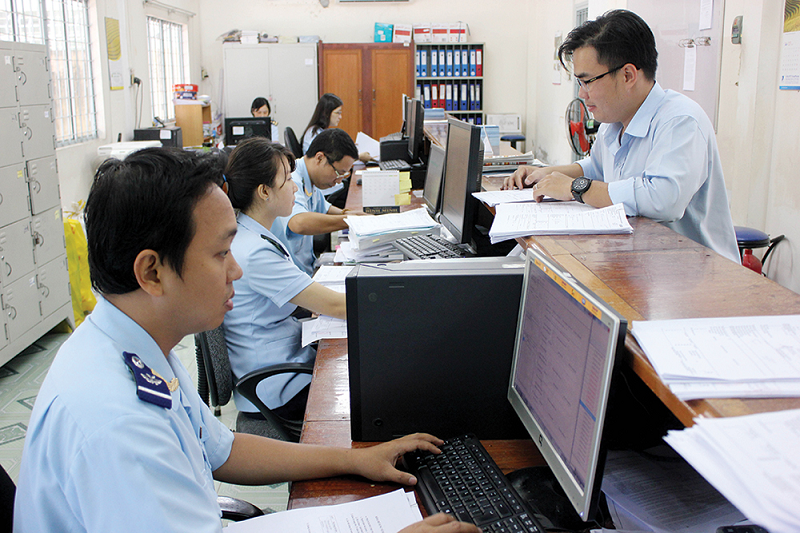
A customs broker serves as a bridge between businesses and customs authorities, helping companies complete import-export procedures professionally and efficiently.
Their primary roles include:
- Providing advice on import-export policies and relevant legal regulations.
- Assisting with the preparation, review, and completion of customs documentation.
- Submitting electronic customs declarations on behalf of businesses.
- Coordinating the resolution of issues that arise during the customs clearance process.
- Supporting HS code classification, duty determination, and compliance with specialized regulatory requirements.
- Helping businesses save time and resources in managing import-export activities.
A customs broker acts as an important link between businesses and customs authorities.
Responsibilities of a Customs Broker
In addition to supporting businesses, customs brokers are responsible for the customs-related activities they are authorized to perform, including:
- Carrying out customs declarations in compliance with applicable laws and regulations.
- Ensuring the accuracy of information submitted on customs declarations based on documentation provided by clients.
- Maintaining the confidentiality of cargo information and company data.
- Retaining records and documents for the legally required period.
- Cooperating with customs authorities during inspections, verifications, or requests for clarification.
- Assuming responsibility for violations arising from customs declarations within the scope of their authorization.
When Should a Business Hire a Customs Broker?
Not every business needs to hire a customs broker. However, in the following situations, using a customs brokerage service can be more efficient than handling customs procedures independently:
- The company is new to import-export activities and does not have dedicated customs personnel.
- The company conducts import-export transactions infrequently.
- The goods are subject to specialized regulatory controls or involve complex customs procedures.
- The business needs to accelerate customs clearance for shipments.
- The company lacks experience in HS code classification, tax determination, or document preparation.
- The business wants to minimize the risk of customs violations and avoid additional costs caused by procedural errors.
In these situations, customs brokers can help businesses process customs procedures more quickly and effectively than managing them independently.
Hiring a customs broker is often a practical solution for companies conducting export activities for the first time.
Read more: A Complete A-to-Z Guide to Exporting Goods from Vietnam for New Businesses
List of Customs Brokers in Vietnam
Vietnam currently has hundreds of customs brokerage companies that have been recognized and licensed by the relevant authorities.
These companies operate across major import-export hubs, including:
- Hanoi
- Hai Phong
- Bac Ninh
- Da Nang
- Ho Chi Minh City
- Binh Duong
- Dong Nai
Businesses can choose from several types of customs brokerage providers:
Independent Customs Brokerage Firms
Companies specializing exclusively in customs declaration and customs clearance services.
Integrated Logistics Providers
Logistics companies that offer customs brokerage services as part of a broader logistics solution.
Freight Forwarders
International freight forwarding companies that also provide customs brokerage services.
Large Logistics Groups
Comprehensive logistics providers offering transportation, warehousing, customs clearance, and supply chain management services under one roof.
To ensure compliance and reliability, businesses should refer to the official list of licensed customs brokers published by Vietnamese customs authorities.
Updated information is available on the official Vietnam Customs website.
Conclusion
Understanding what a customs broker is can help businesses choose the right service provider while optimizing their entire import-export process.
For companies that are new to international trade or do not yet have an in-house customs team, customs brokerage services provide an effective way to improve operational efficiency and allow internal resources to focus on core business activities.
With professional customs broker support, businesses can streamline customs procedures, reduce operational risks, and strengthen their competitiveness in international markets.