

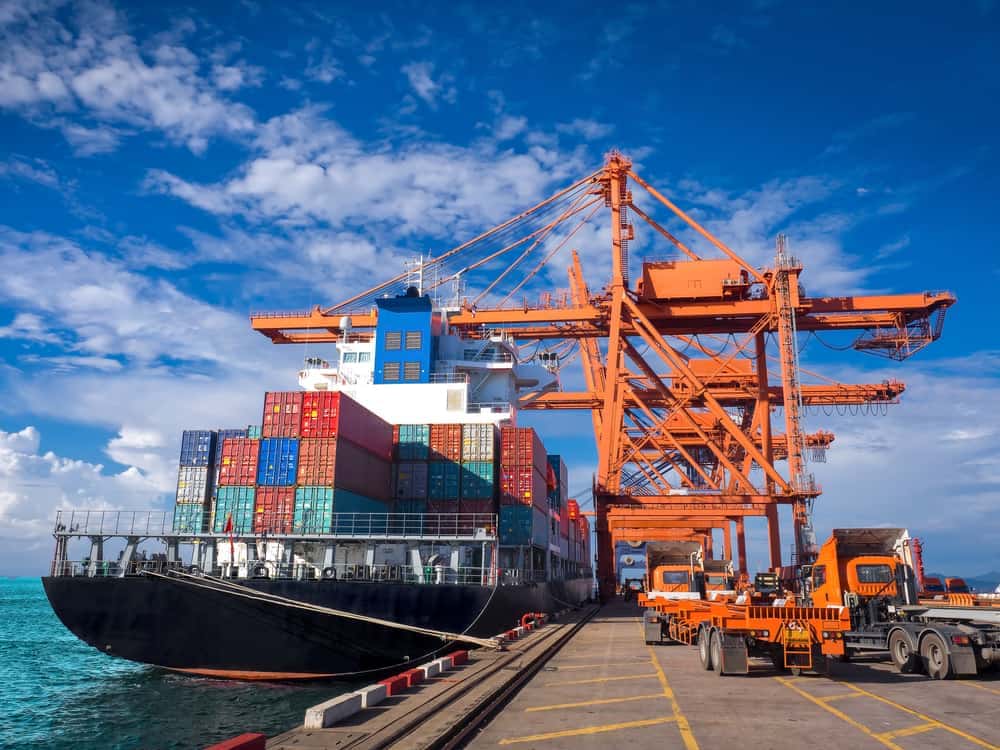
Exporting provides Vietnamese businesses with valuable opportunities to expand markets, increase revenue, and reach customers worldwide. For new businesses, what are the necessary steps to export goods from Vietnam? In this article, let’s explore with VinaOpen the complete roadmap to bring Vietnamese products to the global market.
Overview of Exporting Goods from Vietnam
In recent years, exports have continued to be one of the key growth drivers of Vietnam’s economy. Not only large corporations, but also an increasing number of small and medium-sized enterprises are participating in the global supply chain through export activities.
Which Businesses Can Export Goods?
Under current regulations, most legally established businesses in Vietnam are eligible to engage in export activities, provided they meet the requirements related to their business sector and export products. Common types of exporters include:
- Manufacturing companies
- Import-export trading companies
- Agricultural cooperatives
- Agricultural, food, and seafood processing facilities
- Handicraft, textile, furniture, and industrial goods manufacturers
For new businesses, exporting can begin through B2B channels, trading partners, or small-volume orders before gradually scaling operations. However, some export products under special management may require licenses, certifications, or additional legal conditions.
Vietnam’s Key Export Products
Vietnam is currently one of the major exporting countries in Asia, with many product categories that are highly competitive in international markets, including:
Agricultural Products
Rice, coffee, cashew nuts, pepper, fresh vegetables, tropical fruits, bird’s nest, and more.
Seafood
Shrimp, pangasius, tuna, squid, octopus, and frozen seafood products.
Processed Food Products
Nuts, spices, canned foods, and processed agricultural products.
Industrial and Manufacturing Products
Textiles, footwear, electronics, electronic components, machinery, and industrial equipment.
Handicrafts and Wooden Products
Wooden furniture, decorative products, bamboo and rattan products, ceramics, and handicrafts.
Read more: Agricultural Exports: Procedures, Standards, and International Market Regulations
Steps to Export Goods from Vietnam
To bring Vietnamese products to international markets, businesses need to go through several stages. Below are the detailed steps to export goods from Vietnam.
Step 1: Research the Market and Find International Buyers
Instead of trying to sell products to every market, businesses should identify which markets have demand that matches their products. To determine potential markets, businesses should evaluate the following factors:
- Consumer demand and import trends
- Product competition levels
- Tax policies and trade incentives
- Geographic distance and logistics costs
- Technical standards and import requirements
The next step is finding international buyers interested in the export products. In the global market, effective channels for finding buyers include:
- International B2B marketplaces
- Trade fairs and exhibitions
- Industry associations
- Vietnam Trade Offices overseas
- Company websites and digital marketing channels
- Supplier-Buyer connection platforms
When implementing export activities from Vietnam, businesses should verify buyer information before transactions, clarify product requirements, and establish clear delivery and payment terms to ensure transparency with partners.
Step 2: Prepare Products and Export Compliance Requirements
After identifying the target market, businesses need to check whether their products meet import requirements. Each market has different regulations regarding product quality, food safety, chemical residue limits, traceability, or manufacturing standards.
In addition, businesses must prepare packaging, labels, and product information in compliance with the regulations of the importing country. These factors not only support customs clearance procedures but also help build a professional image in front of international buyers.
Step 3: Prepare International Quotations and Sign Export Contracts
Once a buyer expresses purchasing interest, the business will prepare an export quotation. The quotation should clearly include product details, packaging specifications, shipment pricing, delivery terms, delivery time, payment methods, and related conditions.
When preparing quotations, businesses should also calculate logistics costs, documentation fees, and exchange rate fluctuations to offer suitable pricing. Once the buyer agrees to the terms, both parties will sign an international sales contract. This serves as an important legal basis defining the responsibilities, rights, and obligations of each party.
Step 4: Prepare Export Documentation
After signing the contract, businesses need to complete the export document package for customs declaration, transportation, and international payment purposes. Basic export documentation typically includes the sales contract, commercial invoice, packing list, and transportation documents. Depending on the industry and market requirements, additional certifications may also be required.
Step 5: Complete Export Customs Procedures
This is a mandatory step for goods to be legally exported from Vietnam. Businesses will declare shipment information through the electronic customs system and then submit the customs declaration for customs authorities to process.
After submission, the system will classify the customs declaration and issue corresponding inspection requirements. If documents are complete and declaration information is accurate, the shipment will be cleared for export. Otherwise, businesses may need to amend documents, provide additional paperwork, or face longer processing times.
Step 6: International Transportation and Delivery
The next step in exporting goods from Vietnam is transportation. Goods are handed over to shipping lines, airlines, or logistics providers for delivery to the importing country.
At this stage, logistics costs often account for a significant portion of export pricing. Therefore, businesses should carefully calculate logistics expenses from the beginning when preparing quotations.
Step 7: International Payment and Order Completion
The final step in exporting goods from Vietnam is receiving payment from the buyer and completing all order-related procedures. Businesses may use payment methods such as T/T transfers, Letters of Credit (L/C), or other international payment methods.
After the transaction is completed, businesses should retain all export records, including contracts, customs documents, bills of lading, invoices, and payment documents for accounting and tax refund purposes.
Important Notes for New Export Businesses
For new businesses, the biggest challenge in exporting goods from Vietnam is bringing products to the right market, reaching the right customers, and meeting export requirements. Instead of expanding into multiple markets simultaneously, businesses should begin with niche markets that fit their products.
At the same time, businesses should carefully research market requirements, build professional company profiles, and gradually establish a complete export process.
In addition, businesses should pay special attention to building credibility with international buyers through professional company profiles. The clearer the company profile, the more transparent the information, and the faster and more professional the communication, the easier it becomes to create competitive advantages when approaching customers.
Read more: What Should Businesses Pay Attention to During Export Customs Procedures?
VinaOpen – Supporting New Businesses in Exporting Goods from Vietnam
For many businesses, especially those with limited networking connections, finding international buyers is often the most difficult part of exporting goods from Vietnam. A business may have strong products, but without knowing how to present its capabilities to the right buyers or lacking suitable connection channels, expanding into international markets becomes difficult.
VinaOpen was developed to help Vietnamese businesses approach international markets in a more structured and professional way. Through the platform, businesses can build professional Supplier Profiles, introduce products to a global buyer network, and stay updated on important knowledge related to exports, industry standards, and market requirements.
More than just a trading platform, VinaOpen also aims to accompany businesses throughout the process of standardizing export operations. The platform supports businesses in improving company profiles, increasing buyer trust, and expanding opportunities to connect with international customers. As a result, businesses can shorten the journey of bringing Vietnamese products to global markets and develop sustainable export operations.
Understanding the steps to export goods from Vietnam is an important foundation for businesses to proactively build international market expansion strategies. With the information shared above, new businesses can better understand the export roadmap and prepare the necessary documentation and procedures for international trade activities.
Contact VinaOpen to build a professional channel for connecting with international buyers and establish standardized export procedures to help Vietnamese products conquer global markets.