

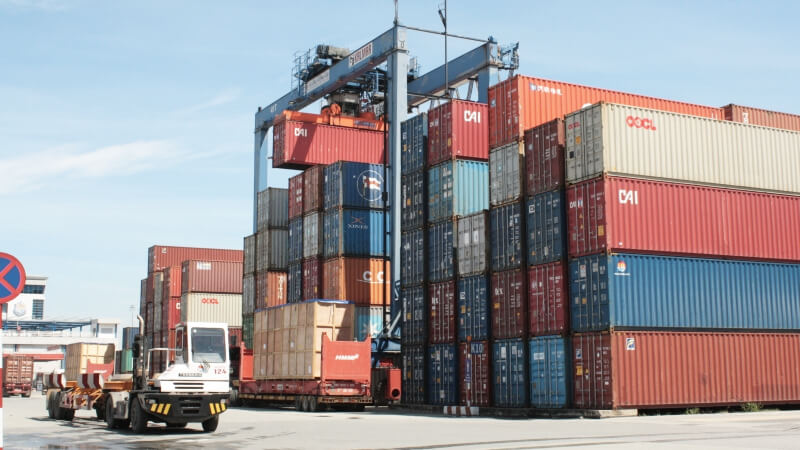
Exporting is becoming an important growth direction for many businesses in Vietnam looking to expand their markets and increase product value. However, for new businesses, entering international markets can be challenging. In this article, VinaOpen will help you understand the export roadmap for new businesses, from product preparation and market selection to developing B2B channels for sustainable export opportunities.
Where Should New Businesses Start Exporting?
For many Vietnamese businesses, especially manufacturers and agricultural or food suppliers, exporting is a major growth milestone but also comes with significant pressure. Many businesses have quality products but struggle with questions such as which market to enter first, what preparations are required, or how to approach international buyers.
In reality, exporting is not simply about finding foreign customers. The process requires businesses to prepare standardized production systems, legal documentation, operational capabilities, and the ability to meet international standards. Only by following a proper export roadmap can businesses save time and costs while minimizing risks when entering global markets.
Typically, the export roadmap for new businesses includes the following steps:
Step 1: Determine whether the product is suitable for export
Step 2: Identify target markets that match the product
Step 3: Prepare export documentation and export readiness capabilities
Step 4: Find B2B channels and learn how to approach international buyers
After completing these steps, businesses can move on to export documentation preparation and procedures related to customs clearance, transportation, payment, and other export operations.
Export Roadmap for New Businesses: What Should Be Prepared First?
In the export roadmap for new businesses, the preparation stage plays a critical role in minimizing risks when entering international markets.
Standardize Products and Production Capabilities Before Exporting
One of the top priorities in the export roadmap for new businesses is evaluating whether current products meet export requirements. International buyers often pay close attention to manufacturing capacity, delivery capability, shipment quality consistency, and product standards. Therefore, businesses should prepare the following information and documents:
- Product specifications
- Packaging details
- Actual product images
- Factory and production facility images
- QA/QC documentation if available
For industries such as agriculture, food, and seafood, businesses may also need traceability documentation to access demanding markets such as the EU, the United States, and Japan.
Understand Import Standards and Compliance Requirements
Before exporting to a specific market, new businesses must research the import standards of their target market. Each country has different requirements regarding product quality, certifications, labeling, and compliance. If businesses fail to review and meet these requirements, goods may be held at ports or denied import approval.
Prepare Company Profiles and Export Documentation
New businesses often lack credibility in international markets. This is why businesses need to prepare professional company profiles and export documentation so buyers can evaluate their professionalism and supply chain capabilities.
To build a complete supplier and export capability profile, businesses should prepare the following:
- Company Profile
- Supplier Profile
- Product Catalogue
- Company website or introduction landing page
- Factory and production process images
- Commercial Invoice
- Packing List
- Sales Contract
- Bill of Lading
- Certificate of Origin (C/O)
Build Export Operational Capabilities
An effective export roadmap for new businesses is not only about selling products but also about demonstrating international operational capabilities. New businesses should become familiar with customs procedures, international payment methods, document management, and shipping processes.
At the early stage, the import-export department should learn about Incoterms, payment methods, and export order processing workflows. Standardizing export operations from the beginning helps businesses reduce risks when scaling export activities in the future.
Prepare a Long-Term Export Strategy
Many new businesses expect large orders within a short time immediately after starting export activities. In reality, buyers often need more time to evaluate supplier capabilities, product quality, operational processes, and business credibility.
Therefore, when following an export roadmap for new businesses, companies should understand that exporting is a long-term strategy requiring consistent buyer engagement over time. Alongside this process are activities such as supplier branding, profile standardization, compliance improvement, and export system development.
30/60/90-Day Export Readiness Roadmap
For new businesses, getting started with exporting can feel overwhelming because they may not know where to begin or which tasks to prioritize. Instead of handling everything at once, a phased export roadmap helps businesses manage progress more effectively and optimize resources. Below is a 30-60-90-day roadmap to help businesses gradually prepare for international market entry.
First 30 Days: Evaluate Capabilities and Standardize the Foundation
During the first 30 days, the primary goal is to assess the business’s actual export capabilities and prepare foundational elements. At this stage, businesses should focus on product evaluation, identifying potential target markets, assessing production and delivery capacity, and standardizing product information. At the same time, businesses should build a basic company profile.
The following items should be prepared within the first 30 days:
- Company Profile
- Product Catalogue
- Factory and production facility images
- Product specifications
- Packaging details
- Legal business documents
- Basic export documents and compliance requirements based on the industry
Day 60: Complete Compliance and Begin Market Outreach
After standardizing the foundation, businesses should focus on compliance and start approaching target markets. At this stage, businesses should study import standards for each market and complete the required certifications and documentation. Products should also have standardized labeling and pricing policies, including MOQ policies that align with market expectations.
Key tasks during this phase include:
- Certifications and registrations suitable for the industry, such as HACCP, ISO 22000, BRCGS, GlobalG.A.P, FDA Registration, or other specialized requirements
- Completing the Supplier Profile in English
- Preparing Invoice, Packing List, and Quotation templates
- Completing traceability documentation if necessary
At the same time, businesses can start joining B2B platforms and publishing product information to search for international buyers. This is an important step in building an international market presence.
Day 90: Implement Actual Export Operations
At the final stage of the export roadmap for new businesses, companies should focus on building practical export operational processes and handling international trade opportunities. Tasks at this stage include:
- Working with forwarders and logistics providers
- Building export order processing workflows
- Learning customs clearance procedures
- Preparing international payment solutions
- Establishing document management systems
To reach more buyers during this stage, businesses should participate in trade fairs and B2B networking events to build a potential buyer database. This helps businesses monitor market feedback, optimize costs, improve compliance, and strengthen their supplier brand image.
How to Choose the Right Export Product
Choosing the right export product determines a business’s ability to access international markets and achieve long-term growth. Many businesses have strong manufacturing capabilities but struggle to expand exports because their products are not suitable for international demand.
A product’s export potential can be evaluated based on the following factors:
Stable Supply and Manufacturing Capabilities
Businesses should ensure stable raw material sources, maintain control over supply, scale production easily, and maintain product quality consistency.
Suitability for International Market Demand
Businesses should research consumer trends, import demand, competition levels, and appropriate pricing segments when selecting export products.
Compliance Capability
Businesses should evaluate whether products meet requirements related to inspections, international certifications, labeling, and packaging before exporting.
Product Differentiation
Products with stronger differentiation and competitive advantages often have better export opportunities. Competitive advantages may come from origin, raw material regions, handmade characteristics, packaging, or unique product features.
How to Choose the First Export Market
In the export roadmap for new businesses, market selection is extremely important because it determines whether businesses can access buyers, optimize costs, and successfully import goods into the target market. Market selection should be based on actual operational capabilities rather than only market size.
Some useful recommendations for new businesses include:
- Evaluate markets based on current business capabilities: New businesses should prioritize markets that match their production scale, have manageable compliance requirements, allow easier buyer access, and offer reasonable logistics costs.
- Research import demand in each market: Businesses should analyze which countries are importing their product category, consumer trends, competition levels, pricing segments, and product requirements.
- Prioritize markets with FTA advantages: Exporting to markets covered by Free Trade Agreements can help businesses enjoy tariff incentives and increase competitiveness when working with international buyers.
- Consider logistics costs and operational capabilities: Businesses should evaluate shipping routes, container costs, transit times, storage requirements, and logistics capabilities before selecting a market.
- Avoid expanding into too many markets simultaneously: Businesses should focus on one or two core markets first to gain experience and improve export processes.
Read more: B2B Export Markets: How to Find Buyers and Build a Trusted Supplier Profile
How to Standardize Supplier Profiles
For many buyers, supplier selection is not based solely on price but also on the supplier’s profile and professionalism. Therefore, standardizing supplier profiles is an important step in increasing trust and creating competitive advantages in international markets.
To standardize supplier profiles, businesses should follow these principles:
Prepare Complete Basic Information
Supplier profiles should include essential company information, packaging details, product specifications, packing standards, MOQ information, and other references useful for buyers.
Standardize Images and Content to Increase Trust
Businesses should use real product images and include factory images, packaging process photos, warehouse systems, and compliance certifications.
Align Supplier Profiles with Compliance and Export Documents
Business names, product information, certifications, and manufacturing capabilities should remain consistent across supplier profiles and official documents to improve operational transparency.
Regularly Update Supplier Information
Businesses should update export market information, certifications, and product categories regularly to keep supplier profiles synchronized when working with buyers.
Common Mistakes When Starting Export Activities
In the export roadmap for new businesses, many companies with quality products and international growth potential still encounter difficulties during the early stages. Common mistakes include:
- Failing to research markets thoroughly before exporting
- Limited understanding of import standards and regulations
- Incorrect export pricing strategies
- Choosing buyers or partners without proper verification
- Underestimating packaging, labeling, and product image quality
- Lack of investment in supplier branding and B2B marketing
- Poor export risk management knowledge
- Focusing only on short-term orders without a long-term strategy
When Should Businesses Use B2B Platforms Like VinaOpen?
In the export roadmap for new businesses, B2B platforms become effective buyer acquisition tools when businesses already have products, manufacturing capabilities, and basic profiles but lack networking connections.
Instead of spending significant time searching for customers market by market, B2B platforms help businesses connect with potential partners more efficiently, introduce their capabilities, and promote products to the right target audience.
B2B platforms like VinaOpen help businesses standardize supplier profiles according to international standards. This is an important step in increasing buyer trust and demonstrating manufacturing capabilities, certifications, and export operational readiness.
Especially for businesses researching markets, testing products, or expanding international customer channels with reasonable costs, joining B2B platforms is a worthwhile option. This is also how many Vietnamese suppliers gradually build an international presence and establish a foundation for long-term export activities.
Exporting is not only for large corporations or businesses with years of international experience. With the export roadmap for new businesses shared by VinaOpen above, businesses can minimize risks, optimize resources, and improve their chances of success in global markets.
VinaOpen accompanies Vietnamese businesses in building export capabilities through supplier profile standardization, product promotion, international buyer connections, and practical global trade knowledge updates. If your business is looking for a starting point to bring Vietnamese products to international markets, now is the right time to begin a professional and sustainable export journey with VinaOpen.