

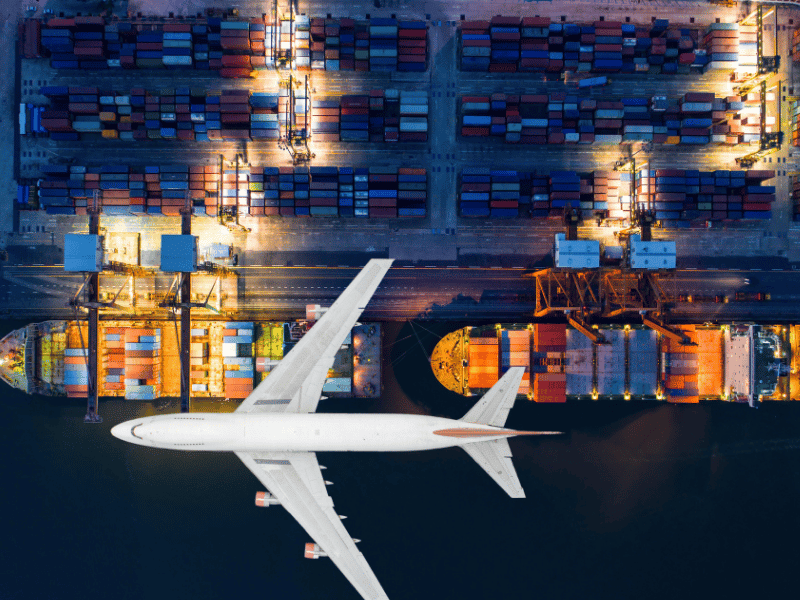
In export activities, goods can only be legally shipped out of Vietnam after customs clearance procedures have been completed in accordance with regulations. So, what documents are required, and how does the customs clearance process work? In this article, VinaOpen provides a comprehensive A–Z guide to help businesses prepare proactively and optimize their export operations.
What Is Customs Clearance and Why Is It Necessary?
Customs clearance is the process by which the customs authority approves exported or imported goods after the declarant has fulfilled all customs procedures as required by law.
Customs clearance is a mandatory step in international trade because it:
- Ensures exported goods comply with legal regulations.
- Confirms that the exporter has fulfilled all tax, fee, and related obligations.
- Controls goods that are prohibited or restricted from export.
- Promotes transparency in international trade activities.
- Provides the legal basis for the lawful transportation and delivery of goods.
Customs clearance is the process of verifying and approving goods that meet export requirements.
Requirements for Export Customs Clearance
Before carrying out export customs clearance procedures, businesses should ensure they have the following prerequisites:
- A valid tax code, digital signature, and account registered on the VNACCS electronic customs system.
- Registration for electronic customs procedures and digital signature usage.
- A complete set of export documents prepared in accordance with customs regulations.
- Goods that meet export requirements and are not included in the prohibited export list.
- Relevant licenses or specialized certificates for goods subject to special management.
- Fulfillment of all financial obligations as required by law.
- Personnel or a service provider responsible for handling customs procedures.
Businesses should prepare complete information about their shipments to facilitate a smooth customs clearance process.
Export Customs Clearance Process
To legally export goods, businesses must complete all steps in the customs clearance process as required by customs authorities.
Customs Declaration and Submission
Businesses use the electronic customs system to declare information related to export shipments and submit customs declarations.
After the declaration is successfully transmitted, the customs system receives the dossier and automatically assigns a customs inspection channel.
Depending on the assigned channel (green, yellow, or red), the business may be required to undergo document inspection or physical cargo inspection.
Generally:
- Green Channel shipments are cleared the fastest.
- Yellow Channel shipments require document review.
- Red Channel shipments must undergo physical inspection before customs clearance is granted.
See also: A–Z Guide to Export Customs Procedures
Delivering Goods to the Designated Inspection Area
After completing customs declarations and receiving the channel classification result, goods are transported to:
- Seaports
- Airports
- Border gates
- Or other designated customs inspection locations
If physical inspection is required, the exporter must cooperate with customs officers by opening the shipment and providing all relevant information about the goods.
Payment of Taxes, Fees, and Charges
Any taxes, fees, or charges applicable to the shipment must be paid before customs clearance is finalized.
Once:
- The customs dossier is deemed valid,
- Financial obligations have been fulfilled,
- And the goods meet export requirements,
the customs authority will approve customs clearance, allowing the exporter to ship the goods overseas.
Completing customs declarations, delivering goods to designated locations, and paying applicable taxes and fees are essential steps toward customs clearance.
How Long Does Export Customs Clearance Take?
The time required for export customs clearance depends on several factors, including:
- The type of goods being exported;
- The completeness and accuracy of the documents;
- Customs channel classification results;
- Specialized inspection requirements.
In general:
Green Channel
Clearance can often be completed within a few minutes to several hours after a successful declaration.
Yellow Channel
Processing usually takes several hours to one working day because customs officers need to review the documentation.
Red Channel
Clearance may take from one to three days or longer if physical inspection and additional verification procedures are required.
Export Customs Clearance Costs
Customs clearance costs form part of a company’s overall export expenses.
The actual amount varies depending on the type of goods, transportation method, and operational requirements. Common costs include:
- Customs declaration fees;
- Customs broker or customs agency service fees (if applicable);
- Cargo inspection fees (if incurred);
- Storage and yard charges at ports or border gates;
- Container handling and documentation fees;
- Specialized inspection fees (if applicable);
- Export duties on taxable goods.
For businesses that are new to exporting, document preparation, paperwork management, and communication with international partners often cause delays or procedural errors.
Therefore, in addition to understanding customs regulations, businesses should consider using export support platforms to standardize information and improve international trade capabilities.
See also: Common Import–Export Terms and Industry Terminology
Enhance Export Readiness with VinaOpen
VinaOpen is a platform that helps businesses build professional Supplier Profiles, connect with international buyers, and standardize company information according to global trade standards.
By preparing complete business information and standardizing export documentation, companies can:
- Build credibility with international buyers;
- Improve market access opportunities;
- Create favorable conditions for future export and customs clearance activities.
Conclusion
In summary, properly handling customs clearance procedures is crucial in determining whether goods can be legally exported on schedule.
With the information shared by VinaOpen in this article, businesses can better understand the customs clearance process, reduce operational errors, minimize unexpected costs, and improve the overall efficiency of their export activities.