


Exporting is the activity of bringing goods, products, or services from Vietnam to overseas markets to serve international trade and purchasing needs. This is an important direction that helps businesses expand their markets, increase revenue, and build global competitiveness. In this article, VinaOpen will help you understand the overall picture of exporting, from its definition, process, and documentation to markets and ways to connect with international buyers.
What Is Exporting?
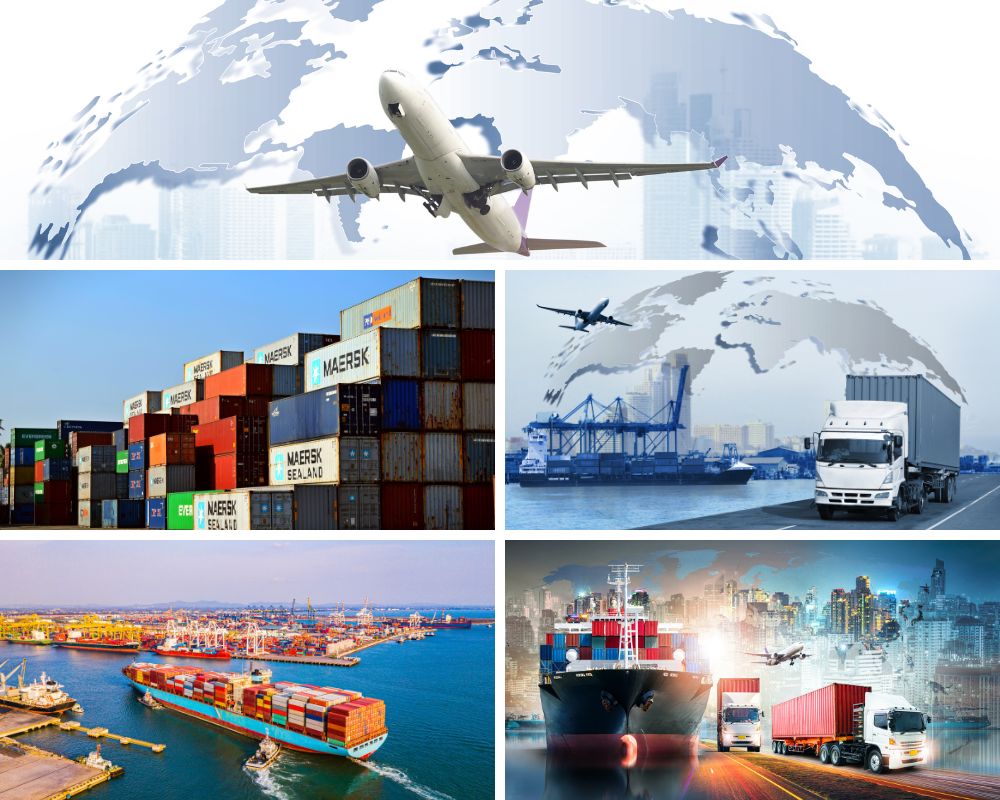
Exporting is the activity of bringing goods, products, or services from one country to another for buying, selling, exchange, or international trade purposes. For Vietnamese businesses, exporting is commonly understood as selling products from the domestic market to foreign markets through contracts, orders, or international trading channels.
The Role of Exporting
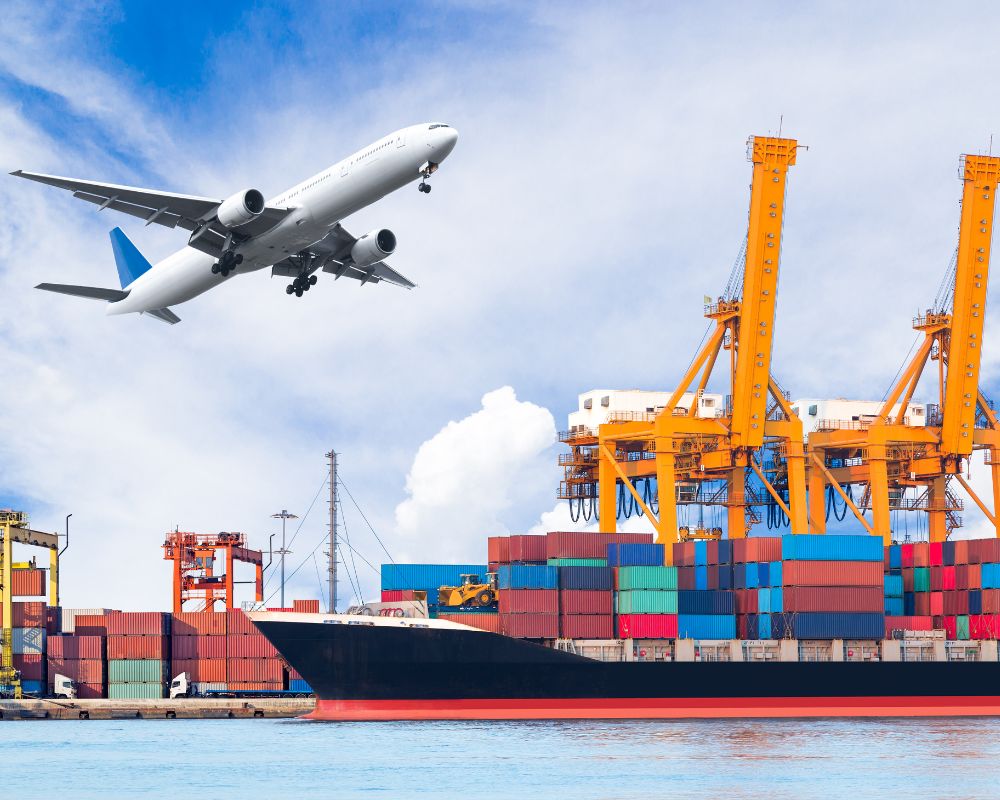
In economic and international business activities, exporting plays an important role for businesses and the overall development of the economy. Specifically:
- Expanding consumer markets: Helps businesses bring products beyond the domestic market and reach more customer groups and new markets.
- Increasing revenue and business scale: Gives businesses more opportunities to increase output, revenue, and production activities.
- Enhancing competitiveness: Businesses that want to export need to improve product quality, packaging, production processes, and operating standards to strengthen their competitiveness in the market.
- Contributing to building the Vietnamese brand: Vietnamese products appearing in international markets help improve business image and promote domestic production capabilities.
- Creating more jobs and promoting the supply chain: Exporting drives demand for production, logistics, packaging, inspection, trade, and related supporting services.
Types of Exporting
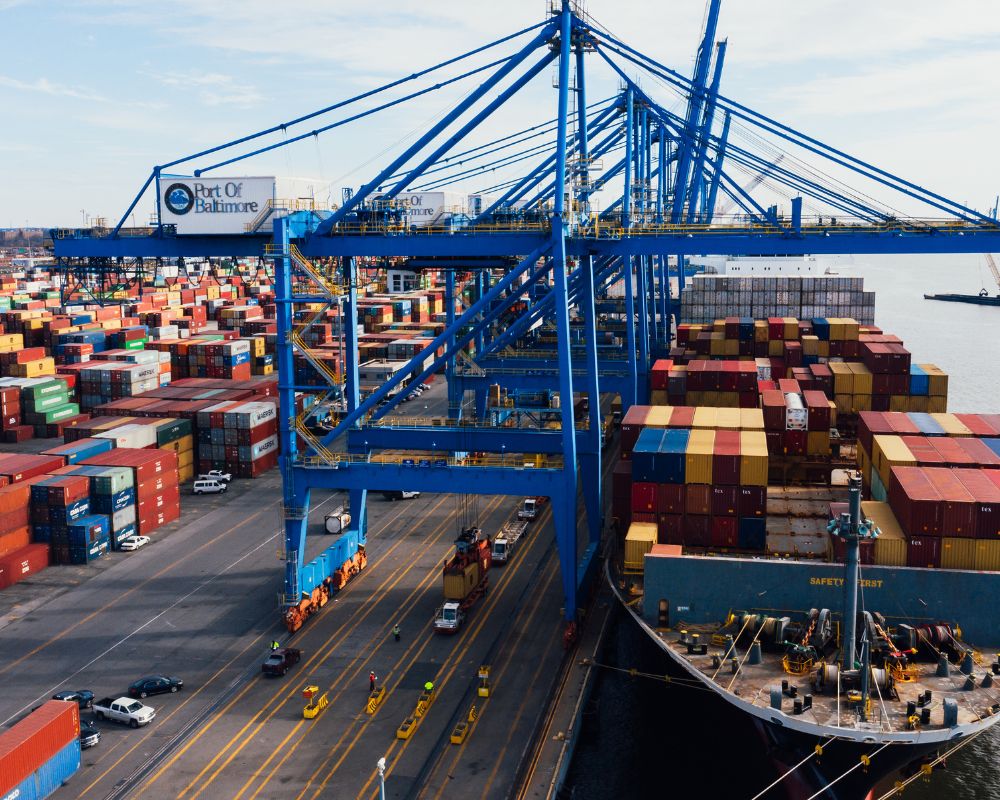
Depending on the business model, operational capacity, and approach to international markets, businesses can choose from several different forms of exporting.
- Direct export: The business works directly with international buyers, negotiates, signs contracts, prepares goods, and organizes delivery by itself.
- Indirect export: The business sells goods through trading companies, agents, or distributors that already have international networks.
- Entrusted export: The business authorizes another unit to carry out export procedures according to an agreement. This is suitable for businesses with limited export experience.
- Export processing: The business receives orders, designs, or raw materials from a foreign partner, then produces and delivers the finished goods.
- On-the-spot export: Goods are sold to a foreign trader but delivered within Vietnam according to the buyer’s instructions. This is a special form of export and must meet specific regulatory conditions.
Export Conditions
To carry out import and export activities, businesses need to meet several basic conditions related to legality, products, documentation, and international transaction capabilities.
| Condition Group | What Needs to Be Prepared |
|---|---|
| Legal status | The business must have a legal business registration, suitable business functions, and sufficient capacity to enter into commercial transactions. |
| Products allowed for export | Goods must not be on the list of prohibited exports. If they are subject to conditional export, the required permits, inspections, or certifications must be met. |
| Product quality and standards | Products must meet the quality, specifications, packaging, labeling, and standards required by the import market. |
| Documents and paperwork | Basic documents include contracts, commercial invoices, packing lists, bills of lading, certificates of origin, or quarantine documents if applicable. |
| Production and delivery capacity | The ability to supply the agreed quantity on schedule while maintaining stable quality as agreed with the buyer. |
| Payment method | International payment terms such as bank transfer, L/C, T/T, or other suitable methods must be clearly agreed upon based on the level of trust between the two parties. |
| Logistics capacity | A suitable plan for transportation, packaging, warehousing, and delivery must be prepared according to the nature of the goods and international delivery terms. |
Export Process
The specific export process may vary depending on the industry, market, and transaction conditions, but it generally includes the following main steps:
-
Step 1: Market research
The business identifies the target market, buyer demand, quality requirements, import standards, and level of competition. -
Step 2: Search for and work with international buyers
The business approaches foreign buyers through B2B channels, trade fairs, commercial partners, connection platforms, or distribution networks. -
Step 3: Negotiate and sign the export contract
Both parties agree on key details such as products, quantity, price, delivery terms, delivery time, and payment method.

-
Step 4: Prepare goods according to requirements
The business produces, packages, labels, and checks product quality according to the standards agreed with the buyer. -
Step 5: Prepare export documents
Basic documents may include contracts, commercial invoices, packing lists, bills of lading, C/O, quarantine certificates, or quality certificates if required. -
Step 6: Arrange logistics and transportation
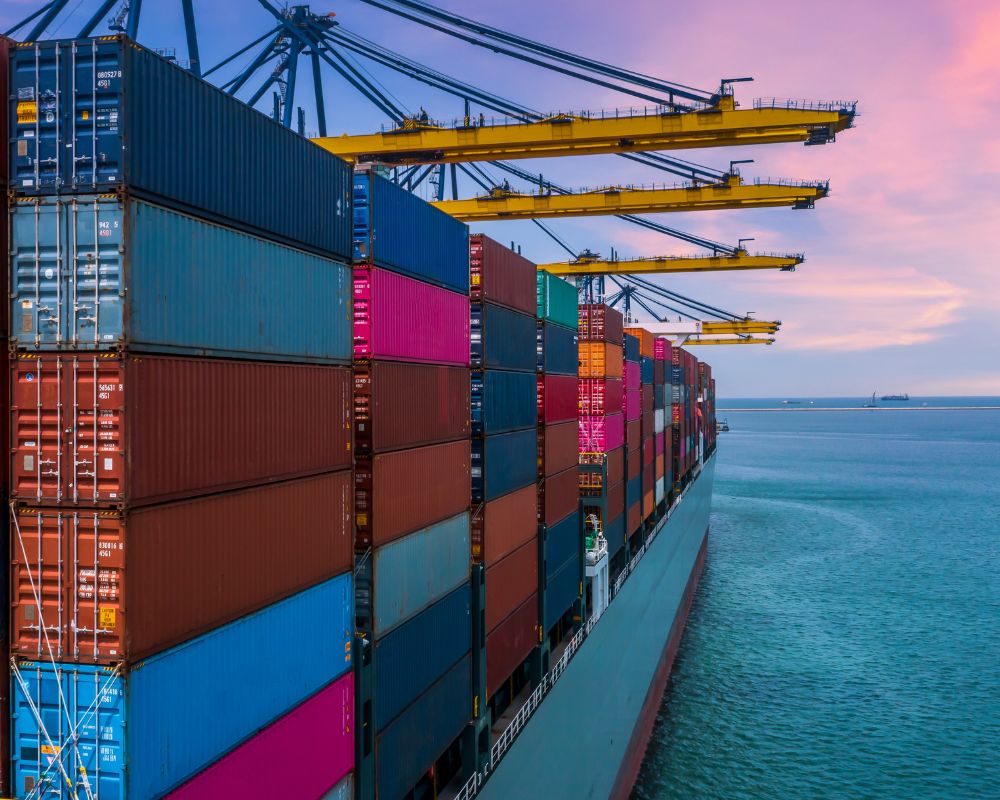
The business works with transport companies, freight forwarders, or shipping lines to book delivery schedules, load containers, and transport goods to the port or airport.
-
Step 7: Complete customs procedures and clearance
Goods are declared to customs, documents are checked, and necessary procedures are completed before the goods are exported to foreign markets. -
Step 8: Track delivery and payment
The business monitors delivery progress, updates documents, and completes payment according to the agreed terms. -
Step 9: Maintain buyer relationship after the order
The business continues communicating with the buyer, handles feedback, and maintains the relationship to create opportunities for future orders.
>>> See also: Export Customs Procedures: Declaration and Guide to On-the-Spot Export
Export Documents and Paperwork
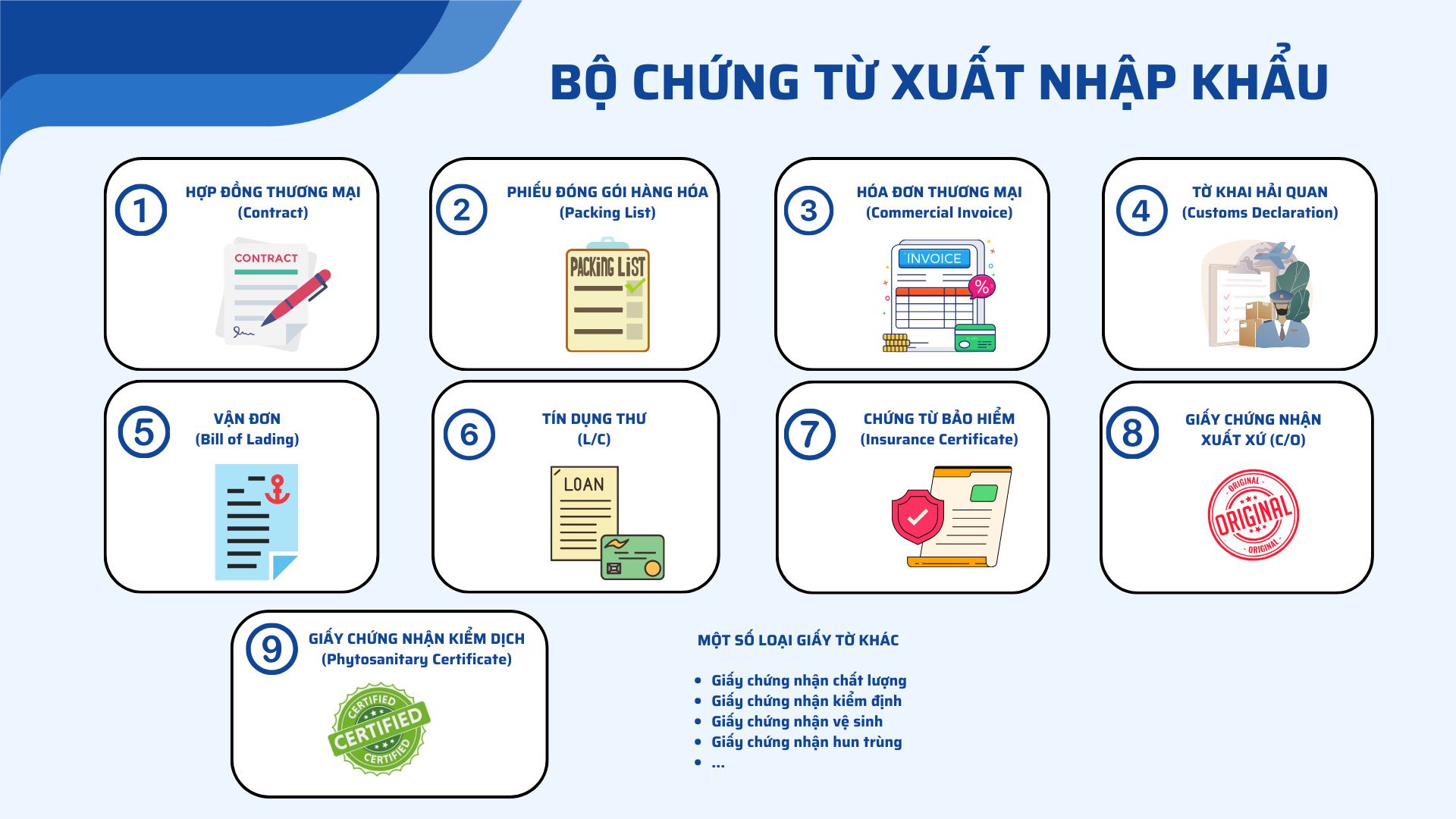
In export activities, documents and paperwork are the set of records used to confirm information about goods, transactions, transportation, payment, and customs procedures. These documents prove that the shipment is valid, provide the buyer with a basis for receiving the goods, and allow relevant parties to process the transaction according to the proper procedure.
A basic export document set usually includes documents such as the foreign trade contract, commercial invoice, packing list, bill of lading, customs declaration, certificate of origin, quality certificate, or quarantine certificate if required by the industry. Depending on the product and import market, businesses may need to add other documents according to regulations or buyer requirements.
>>> See also: What Documents Are Required for Export? Detailed Export Documentation from A to Z
Taxes, Value, HS Code, and C/O
In exporting, businesses need to understand some basic concepts such as taxes, goods value, HS code, and C/O in order to prepare documents more accurately. This information is used for customs declaration, cost calculation, and communication with international buyers.
- Export tax: is a tax applied to certain product groups; not all goods are subject to export tax.
- Export value: is the value of the shipment shown in the contract, invoice, and declaration documents.
- HS code: is the goods classification code used to determine relevant management policies and tax rates.
- C/O: short for Certificate of Origin, is a document used to certify the origin of goods and may help buyers enjoy preferential tariffs in the import market.
Customs and Clearance
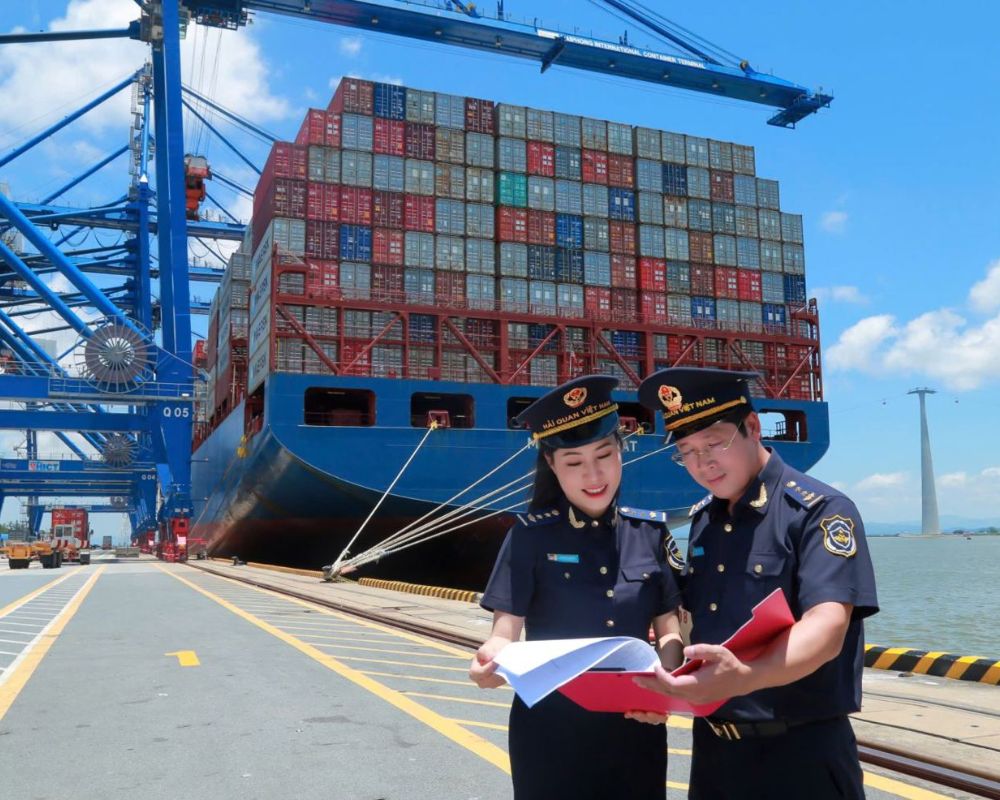
Customs is the authority responsible for inspecting, supervising, and confirming whether goods are eligible to leave the territory of Vietnam. Businesses need to declare shipment information, prepare the necessary documents, and follow the required procedures so that goods can be exported legally.
Customs clearance is the process in which goods are approved by the customs authority after checking documents, declaration information, and related conditions. Once the shipment is cleared, the business can proceed with transportation, delivery, and completing the transaction with the international buyer.
The clearance process will be smoother if the business information on documents is consistent, declarations are accurate, values are correct, HS codes are accurate, and documents are complete.
Incoterms and Logistics
Incoterms are a set of international trade terms used to define the responsibilities of the seller and the buyer during the delivery process. These terms help both parties clearly understand who bears costs, who bears risks, and where the goods are delivered.
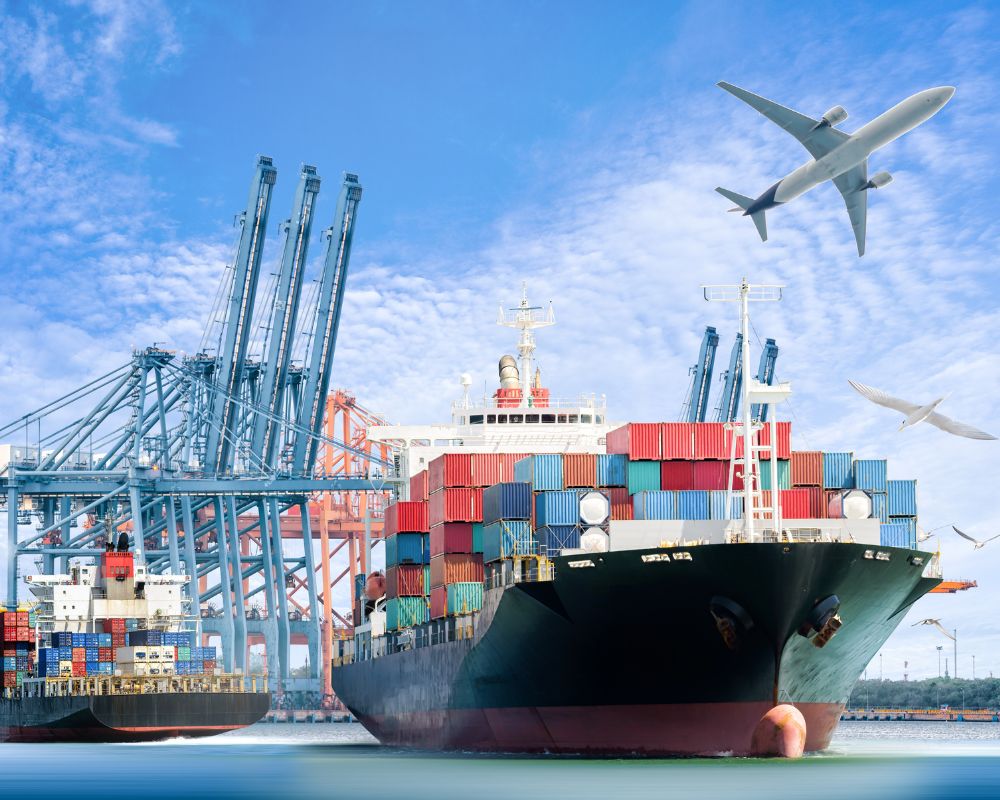
Logistics covers all activities related to packaging, warehousing, transportation, delivery, and cargo tracking from the production site to the receiving point. Depending on the agreement with the buyer, businesses may use sea freight, air freight, road transport, or a combination of different transport methods.
International Payment
International payment is the process in which the foreign buyer pays the Vietnamese business for the goods according to the agreement in the contract. This step is directly related to cash flow, safety level, and the interests of both parties.
Common payment methods include T/T transfer, letter of credit (L/C), documentary collection, or other payment methods agreed upon by both parties. Each method has different levels of safety, cost, and processing procedures.

Standards, Certifications, Quarantine, and Audit
In many industries, international buyers often require businesses to meet certain standards, certifications, quarantine requirements, and other conditions before importing goods. These requirements may include quality certification, food safety certification, phytosanitary inspection, animal quarantine, factory certification, and more. The purpose is to ensure that products meet requirements for quality, origin, safety, and stable supply capacity.
Export Industries
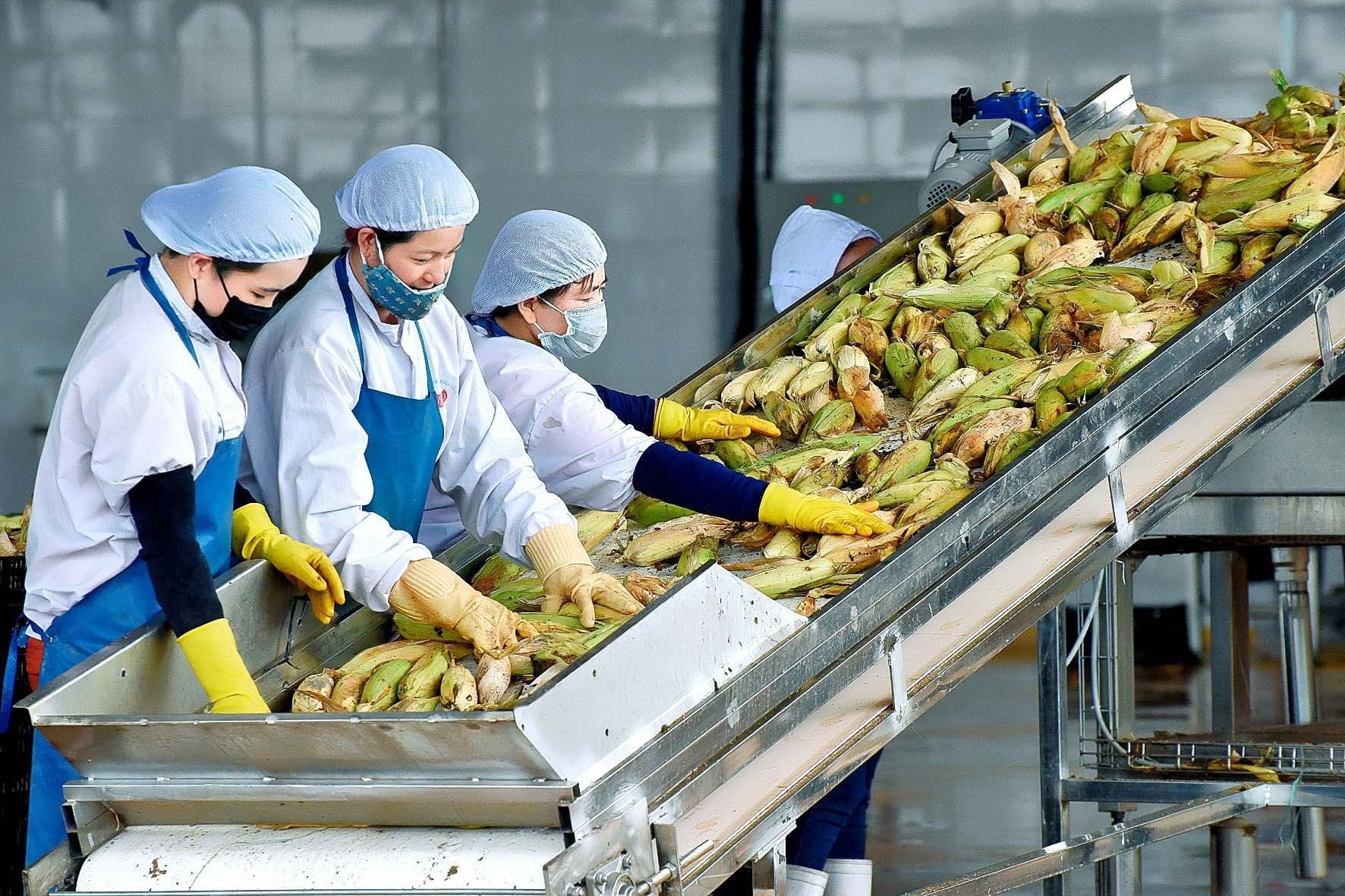
Vietnam has many export sectors, such as agricultural products, processed foods, industrial goods, and consumer goods. Each industry has its own characteristics in terms of quality standards, packaging, documents, transportation, and requirements from international buyers.
Some common export industries include:
- Agricultural products: coffee, cashew nuts, pepper, rice, fruits, and vegetables.
- Seafood: shrimp, pangasius, tuna, squid, clams, and shellfish.
- Textiles, garments, leather, and footwear: clothing, fabrics, shoes, and bags.
- Wood products and furniture: tables, chairs, cabinets, decorative items, and processed wood products.
- Consumer goods: household products, packaging, plastic products, and handicrafts.
- Industrial products: components, machinery, equipment, and construction materials.

Export Markets
An export market is where a business’s products are delivered and sold. It may be a country, a region, or a specific customer group. Some common export markets for Vietnamese businesses include the United States, the EU, China, Japan, South Korea, ASEAN, the Middle East, and several other emerging markets.
Choosing the right market is very important because each market has different demand, standards, consumer habits, and import regulations. Large markets usually have high demand, but they also have stricter requirements for quality, certification, traceability, and supply capacity.
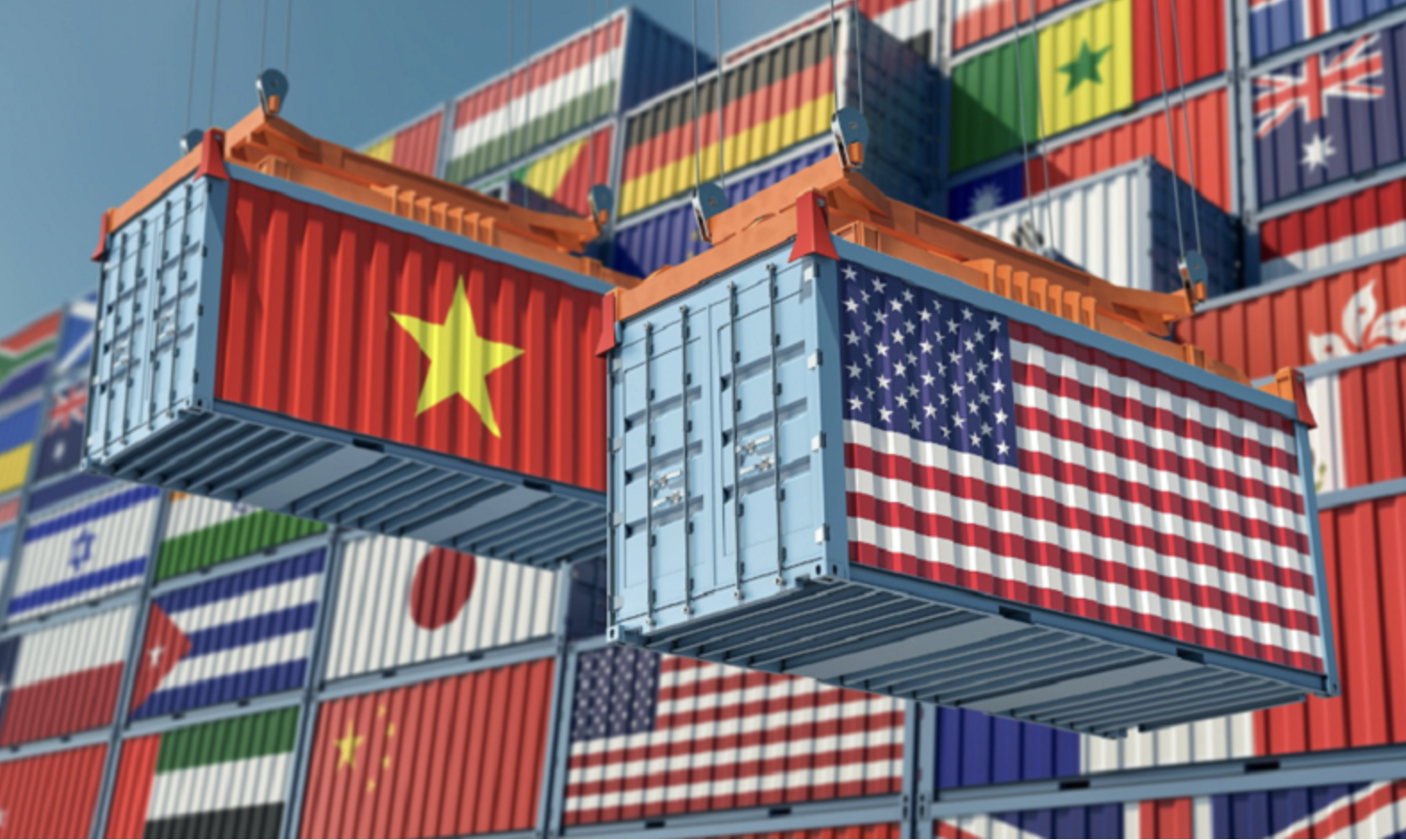 Some important export markets for Vietnam include the United States, China, the EU, and others.
How to Find International Buyers
Finding international buyers is one of the key steps when a business wants to start or expand export activities. Buyers may be importers, distributors, retail chains, trading companies, or businesses looking for supply sources from Vietnam.
Businesses can find buyers through many channels such as trade fairs, international B2B platforms, company websites, professional social networks, industry associations, or buyer-supplier connection platforms. Each channel has its own advantages depending on the industry, target market, and the business’s outreach capability.
B2B Channels and International Trade Platforms
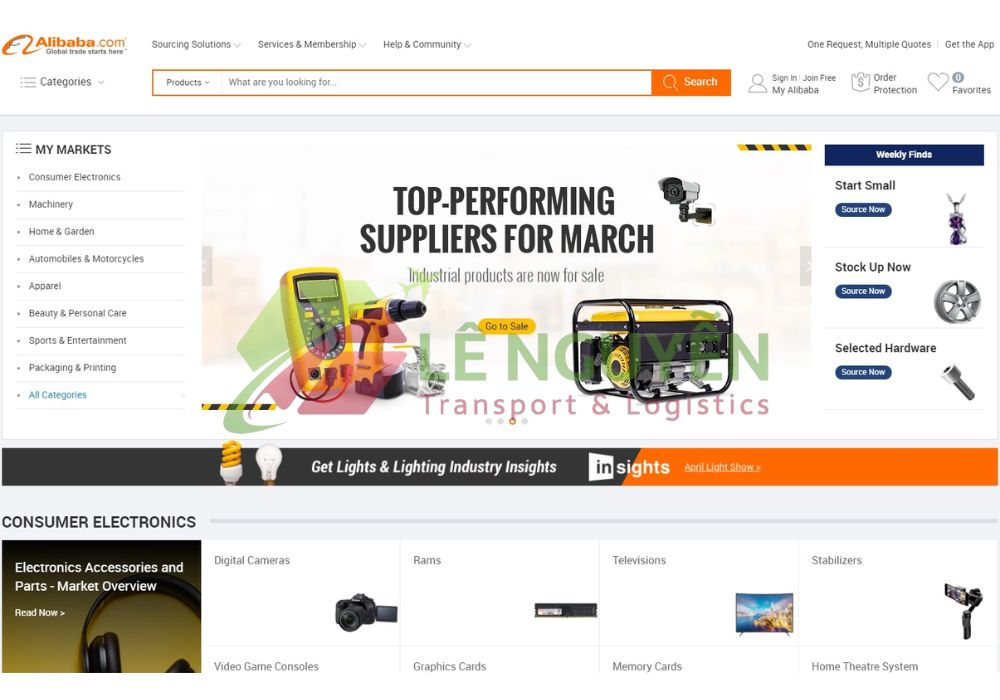
In exporting, a B2B channel can be understood as a “meeting point” between suppliers and international buyers. This is where businesses can post product information, introduce production capabilities, and receive quotation requests from buyers looking for supply sources.
Common channels can be divided into several main groups:
- International B2B trade platforms: Alibaba, Global Sources, Made-in-China, Tradekey, etc.
- Industry websites and platforms: These are suitable for sectors such as agricultural products, seafood, textiles and garments, furniture, packaging, and machinery.
- International trade fairs and exhibitions: Help businesses meet buyers directly, introduce product samples, and discuss specific needs.
- Professional social networks: LinkedIn, trade groups, and sourcing communities for different markets.
- Buyer-supplier connection platforms: Help businesses reach international buyers who are looking for suppliers from Vietnam.
Supplier Capability and Buyer Trust
When exporting, international buyers do not only look at price but also evaluate the overall capability of the supplier. A reliable supplier needs to demonstrate stable production capacity, clear product quality, transparent business information, and the ability to deliver as committed.
Buyer trust is the confidence that buyers have in a business before deciding to communicate further or place an order. This trust is built from basic factors such as complete product information, real product images, relevant certifications, professional responses, and cooperation history if available.
The Role of VinaOpen in Exporting
In the export journey, many Vietnamese businesses have good products but still face difficulties in reaching international buyers. VinaOpen is a platform that supports connections between Vietnamese suppliers and foreign buyers, helping businesses gain more opportunities to introduce their products, production capacity, and competitive advantages to the global market.
In addition to trade connection, VinaOpen also supports important factors in the export process such as service logistics, international payment, supplier information verification, and complaint handling. These services help make transactions between buyers and suppliers more transparent, secure, and trustworthy.
With the goal of connecting Vietnamese businesses to global markets, VinaOpen helps shorten the distance between domestic suppliers and international buyers. This is a suitable approach for businesses that want to expand exports, seek new cooperation opportunities, and increase the presence of Vietnamese products in international markets.
Exporting is an important direction that helps Vietnamese businesses expand their markets and reach international buyers. To implement exporting effectively, businesses need to understand the basic process, required documents, market standards, and ways to build trust with buyers. Hopefully, the information above from VinaOpen will give you a comprehensive overview and help you become more prepared for the journey of bringing Vietnamese products to the global market.