

In this article, let’s explore export audit standards with Vina Open to expand long-term export opportunities.
What Is Export Audit? Why Do International Buyers Require Supplier Audits?
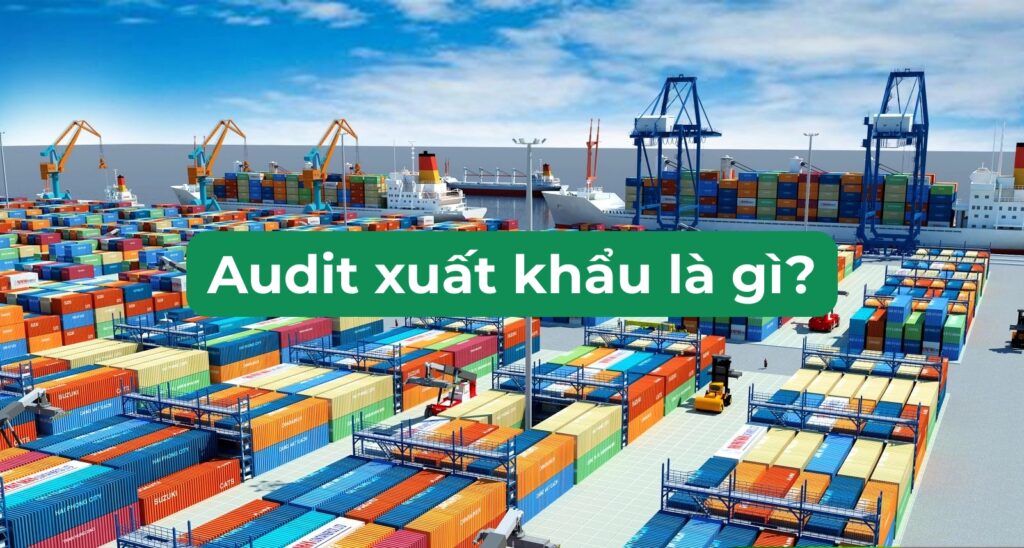
In international trade, many buyers require suppliers to undergo audits before signing contracts or implementing long-term orders. Export audit is commonly understood as the Supplier/Factory Audit process in international trade.
Export audits usually focus on factories, operational processes, quality management systems, hygiene and safety conditions, and supply capabilities. Buyers or auditing organizations often conduct audits based on standards such as HACCP, ISO 22000, and BRCGS.
International buyers request export audits to reduce risks when cooperating with new suppliers and ensure that goods comply with import market standards. The goal of export audits is not only to inspect product quality but also to assess the stability and professionalism of the supplier’s entire operating system.
Why Standards and Certifications Determine Export Capability
In international trade, product quality alone is not enough to ensure sustainable exports. Businesses also need standards and certifications specific to each industry.
The Role of Standards in Export Activities
Export standards are systems of requirements and regulations that businesses must meet for their goods to be accepted in import markets. These standards help control product quality, ensure consumer safety, and minimize risks throughout the supply chain.
If suppliers possess certifications and standardized management systems, international buyers will feel more confident about product quality, avoid legal risks, comply with import regulations, and maintain brand reputation. Therefore, businesses that conduct export audits and meet standards related to factories, production processes, management documentation, labor conditions, and raw material sourcing are more likely to be selected by buyers, receive larger orders, and establish long-term partnerships.
What Certifications Do International Markets Require for Export Audits?
Depending on the industry and export market, businesses may need to meet various certifications during export audits. Common certifications include:
- Food safety certifications for agriculture, food, beverages, and seafood industries, such as HACCP, ISO 22000, BRCGS, and FSSC 22000.
- Social responsibility certifications regarding labor conditions, employee welfare, and working environments, such as BSCI and SA8000, commonly applied in textiles, furniture, and manufacturing industries.
- Environmental and sustainability certifications such as ISO 14001, FSC, and GlobalG.A.P., especially for exports to the EU, the US, and Japan.
Besides these certifications, international buyers may also require their own internal standards and audit procedures. Suppliers must satisfy factory audit and production process requirements before being approved for cooperation.
Quarantine, Health Certificates, Fumigation, and Specialized Inspections in Export Audits
During export audits, especially in agricultural and food industries, buyers and import authorities often carefully inspect requirements related to quarantine, health certificates, fumigation, and specialized inspections.
Quarantine Requirements in Export Audits
Quarantine is the process of inspecting goods to ensure products do not carry diseases, harmful microorganisms, or agents affecting public health and the environment. Quarantine evaluations often include:
- Raw material control
- Storage condition management
- Quarantine documentation
- Factory hygiene procedures
- Traceability capability
Depending on the type of goods, businesses may need animal quarantine, food inspections, or food safety inspections. Products commonly requiring quarantine before export include agricultural products, fruits and vegetables, rice, coffee, cashew nuts, seafood, and processed foods.
Health Certificates in Export Audits
A Health Certificate (HC) is a health or food safety certificate issued by competent authorities for exported goods. This document confirms that the product meets hygiene and safety standards and is eligible for circulation and consumption in import markets.
Health Certificates are commonly required for food products, seafood, beverages, processed agricultural products, and products of plant or animal origin. For many food categories, Health Certificates are essential documents for customs clearance and import procedures.
Export Fumigation
Export fumigation is the treatment of goods or packaging to eliminate insects, pests, and harmful organisms before export. Fumigation is commonly applied to agricultural products, wood and wooden products, and shipments using wooden pallets.
During export audits, buyers may inspect:
- Fumigation procedures
- Fumigation service providers
- Related documents and certificates
- Packaging and storage conditions
Failure to comply with fumigation requirements may result in shipments being held at ports, returned, or subject to additional handling costs.
Specialized Inspections in Export Audits
Besides quarantine and food safety certifications, many industries must undergo specialized inspections before export. These inspections verify that products meet technical standards, quality requirements, safety regulations, and export eligibility requirements.
Depending on the product, businesses may need:
- Quality testing
- Chemical residue testing
- Microbiological testing
- Heavy metal testing
- Food safety inspections
- Environmental standard assessments
Buyer Audits, Supplier Profiles, and Export Readiness
Another important factor in export audits is the standardization of supplier profiles regarding operational capabilities and actual export readiness.
What Do Buyers Usually Inspect During Supplier Audits?
During audits, buyers comprehensively assess businesses to determine whether suppliers are qualified to join international supply chains. Common evaluation areas include:
- Factories and production capabilities: factory scale, machinery, production lines, operating capacity, and hygiene conditions.
- Quality management systems: QC/QA procedures, defect control processes, testing records, and applied production standards.
- Traceability documentation: raw material origins, farming areas, production logs, and shipment traceability.
- Labor conditions and social responsibility: labor safety, transparent HR policies, and compliant working conditions.
- Documentation and operational systems: document storage, incident handling procedures, logistics operations, warehouse management, and internal control systems.
Supplier Capability Documents
Supplier capability profiles help businesses introduce their production and export capabilities to international buyers. A standard supplier profile usually includes:
- Company information
- Legal documents
- Factory and production information
- Certifications and standards
- Product profiles
- Export records
Export Readiness Assessment
Export readiness refers to a company’s level of preparedness before entering international markets. International buyers typically evaluate export readiness based on:
- Stable production capacity
- Understanding of export procedures
- Compliance with international standards
- Communication and order-handling capabilities
- Long-term development potential
Based on these criteria, businesses can improve export readiness by preparing export audits and supplier documentation more effectively, increasing their chances of becoming long-term suppliers in global markets.
Certification Checklist by Industry
Certifications for Agricultural Exports
For agricultural products, buyers and import markets often focus on traceability, quarantine, and farming area conditions. Common certifications include:
- GlobalG.A.P., VietGAP, Organic Certificates, and farming area codes
- Phytosanitary Certificates, Certificates of Origin (C/O), Fumigation Certificates, and Health Certificates
- Testing reports for pesticide residues, microbiological testing, heavy metals, and COA
- Traceability records such as cultivation logs, harvesting records, packaging records, and batch codes
Certifications for Processed Food Products
Processed food industries require strict compliance with food safety, production conditions, and quality management systems. Recommended certifications include:
- HACCP, ISO 22000, FSSC 22000, and BRCGS
- Product declarations, testing results, ingredient lists, and packaging specifications
- Health Certificates, C/O, and quarantine certificates
- GMP, production SOPs, QC/QA documents, and factory hygiene records
Certifications for Seafood Exports
Seafood is one of the most strictly controlled industries in many import markets. Common certifications include:
- HACCP, BRCGS, and ISO 22000
- ASC, BAP, and MSC certifications
- Health Certificates, quarantine certificates, antibiotic testing, microbiological testing, and heavy metal testing
- Traceability records such as farming area records, harvest logs, processing records, and container loading records
Compliance Checklist for OEM Suppliers
OEM suppliers or export processing manufacturers are often required to prepare additional compliance documentation, including:
- Business licenses, factory profiles, HR records, tax codes, and import-export registration
- ISO, HACCP, BSCI, SEDEX certifications, and audit reports
- Labor policies, workplace safety records, environmental records, and anti-child labor policies
- Production SOPs, QC/QA procedures, raw material control records, and complaint handling procedures
- NDAs, information security procedures, and private label control systems
Compliance Issues That Cause Buyers to Reject Orders
Missing or Invalid Certifications
Common issues include:
- Missing required certifications
- Expired certifications
- Certifications not matching product scope
- Certifications issued by unrecognized organizations
Many buyers stop cooperation at the evaluation stage if mandatory certifications are missing. Therefore, businesses must ensure certifications remain valid, updated, and consistent with actual export products.
Lack of Transparency in Supplier Profiles
International buyers carefully assess supplier transparency before signing contracts. Common issues include:
- Unclear company information
- Outdated factory profiles
- Missing traceability records
- Inability to prove actual production capacity
To solve these issues, businesses should use authentic factory images, declare actual production capacity, and maintain sufficient QC/QA records.
Failure to Meet Factory Audit Requirements
Many businesses lose orders after audits due to inadequate factory conditions, poor process control, or non-compliant labor conditions. Businesses should improve by:
- Completing production SOPs
- Preparing employee training records
- Strengthening raw material control
- Providing product defect handling procedures
Inconsistent Export Documentation
Documentation inconsistencies are among the most common compliance issues in exports, including:
- Different product names between invoices and packing lists
- Incorrect quantity or weight
- Mismatched container information
- Incorrect HS codes
- Incorrect buyer or consignee information
These issues may lead buyers to question business transparency and may delay customs clearance. Therefore, businesses should establish multi-step document review procedures before issuance.
Failure to Meet Market Standards
Each market has its own regulations regarding food safety, chemical residues, and traceability. Many businesses focus only on production without thoroughly researching import standards, resulting in returned shipments, failed inspections, or import rejection.
Common Lessons Learned by Export Businesses
In reality, many Vietnamese businesses face difficulties in the early stages of exporting due to:
- Unstandardized compliance documentation
- Lack of international audit experience
- Weak management systems
- Overemphasis on pricing without investing in standards
To improve international market access, businesses should:
- Standardize documents and certifications from the beginning
- Invest in long-term quality management systems
- Continuously update import market standards
- Carefully verify consistency across all export documents
- Build transparent traceability systems
As international buyers increasingly tighten compliance requirements, investing in standards and management systems not only helps businesses pass audits but also creates a strong foundation for sustainable and professional export development.
Export audits are not only inspection processes required by international buyers but also important benchmarks of a company’s operational capability, product quality, and professionalism within the global supply chain. Hopefully, through the insights shared by VinaOpen in this article, businesses can standardize supplier profiles and product standards to expand opportunities in international markets.