

The year 2026 is forecast to be a historic milestone for global export activities. In key markets such as the European Union (EU) and France, “green consumption” is no longer a voluntary Corporate Social Responsibility (CSR) campaign but has officially become a series of stringent legal frameworks. For every Vietnamese enterprise, grasping these changes is not just about survival; it is the master key to achieving sustainable successful transactions on the global stage.
In this context, traditional export sales channels are gradually giving way to digitized and transparent models. This article provides a deep dive into four critical EU regulations and the roadmap for Vietnamese export goods to conquer this demanding market.
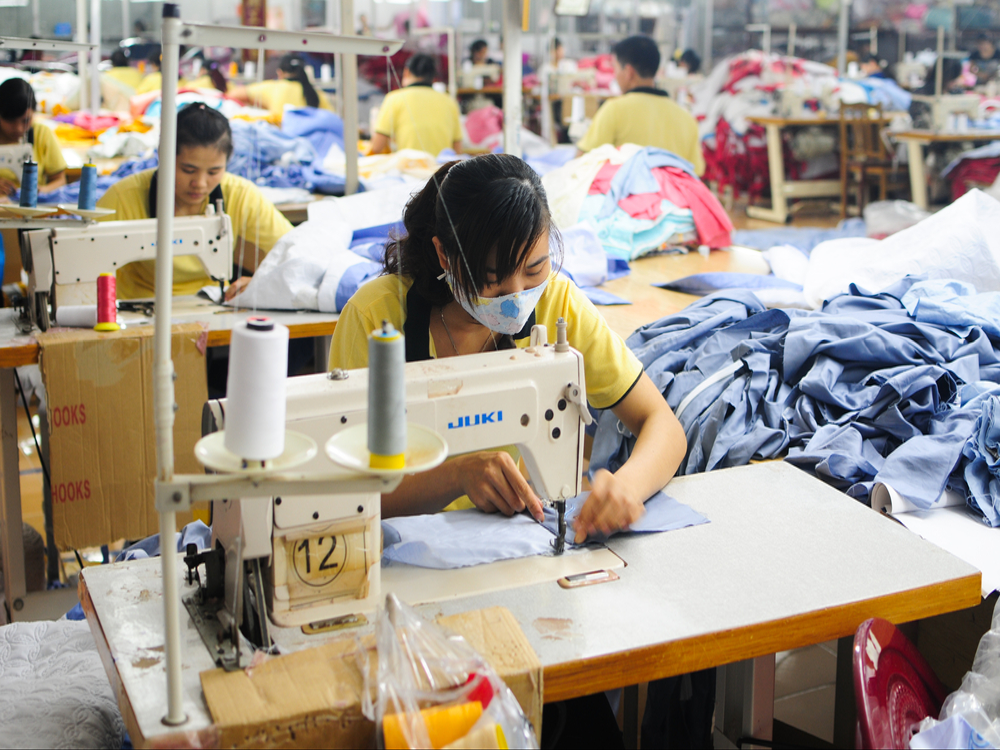
1. Ecodesign for Sustainable Products Regulation (ESPR): A Turning Point for Textiles and Footwear
Starting July 19, 2026, the EU will officially implement the Ecodesign for Sustainable Products Regulation (ESPR). This is a powerful catalyst reshaping the circular economy, directly impacting Vietnam’s source of goods in the fashion and footwear sectors.
The Death of “Disposable Culture”
The new regulation bans the destruction of unsold apparel and footwear inventory for large enterprises. Simultaneously, the Extended Producer Responsibility (EPR) mechanism forces brands to pay fees for the collection and management of textile waste. This pushes the cost of “fast fashion” higher, compelling the international buyer to change their habits. Consumers will now prioritize products that are durable, easy to repair, and reusable.
Opportunities for Vietnamese Suppliers to Adapt Early
To become a reputable Vietnamese supplier, manufacturing units must transition from a high-volume sales model to one focused on quality and recyclability. Transparently presenting production processes through international sales channels will help businesses prove the true value of their products instead of competing solely on price. Investing in R&D to use mono-materials (materials that are easier to recycle) will be a strategic advantage for any Vietnamese enterprise looking to maintain long-term contracts.
2. Digital Product Passport (DPP): The Era of “Evidence-Based Consumption”
As of September 27, 2026, the Consumer Protection Directive (EU 2024/825) will tighten regulations against “greenwashing.” Any general advertising claims such as “environmentally friendly” will be prohibited unless supported by digitized data verified through the Digital Product Passport (DPP).
Information Transparency as a Prerequisite
This law makes European consumers more pragmatic. Foreign enterprises and retail systems will require suppliers to provide comprehensive digital data regarding:
-
The origin of materials and chemicals used.
-
Carbon emission levels during the production process.
-
Product lifecycle and recyclability potential.
Any brand lacking data transparency will be immediately eliminated from the list of potential Vietnam’s source of goods. Conversely, those who proactively standardize digital data will easily connect with partners through a B2B international trade platform. The DPP is not just a barrier; it is a tool for high-quality Vietnamese goods to affirm their position.

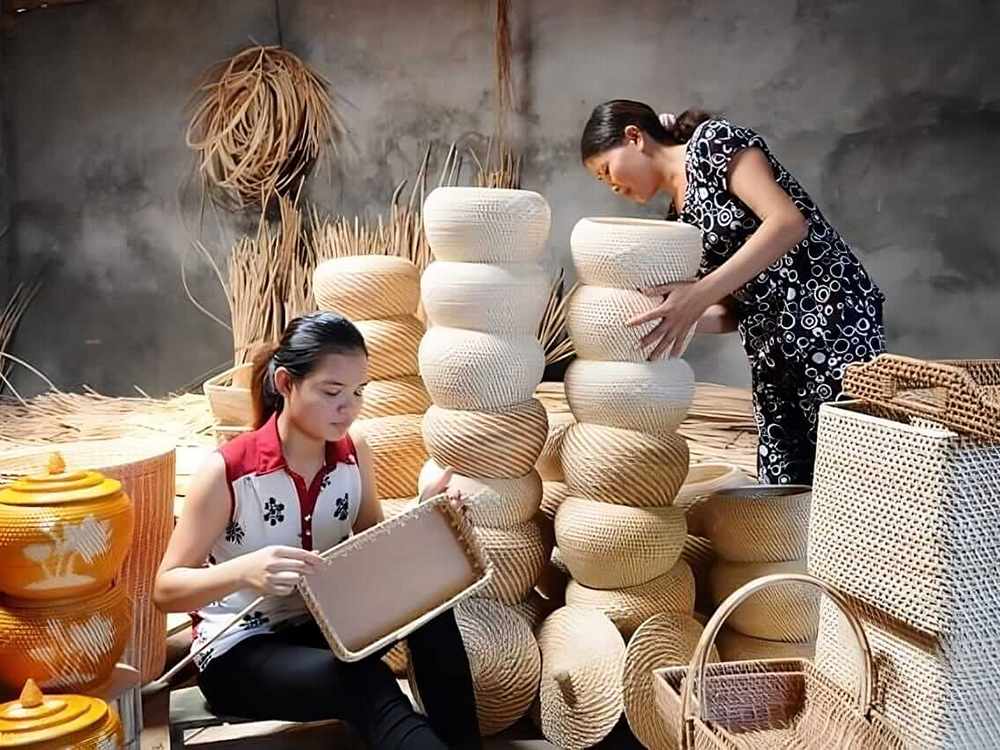
3. EUDR Regulation: A “Hard” Barrier for Wood and Handicraft Exports
Starting December 30, 2026, the EU Deforestation Regulation (EUDR) officially takes effect, making forest protection a mandatory legal criterion. This profoundly affects handicraft exports and the wooden furniture industry in Vietnam.
The Role of Geo-spatial Data (GPS)
The fate of a furniture order now depends entirely on the ability to trace the cultivation area. Supermarkets and distributors in the EU will act as strict “filters.” Any quality products in terms of aesthetics that lack transparent GPS coordinates for wood origin will be blocked at the border.
Building Reputation for High-Quality Vietnamese Goods
To maintain their position, a Vietnamese supplier in the wood industry needs to:
-
Establish a rigorous cultivation area management system.
-
Apply blockchain technology for traceability.
-
Ensure every product listed on export sales channels is accompanied by a non-deforestation certificate.
This level of compliance ensures that Vietnamese export goods are not just seen as raw commodities but as responsibly sourced assets.
4. Packaging and Packaging Waste Regulation (PPWR): New Strategy for Seafood and Agricultural Exports
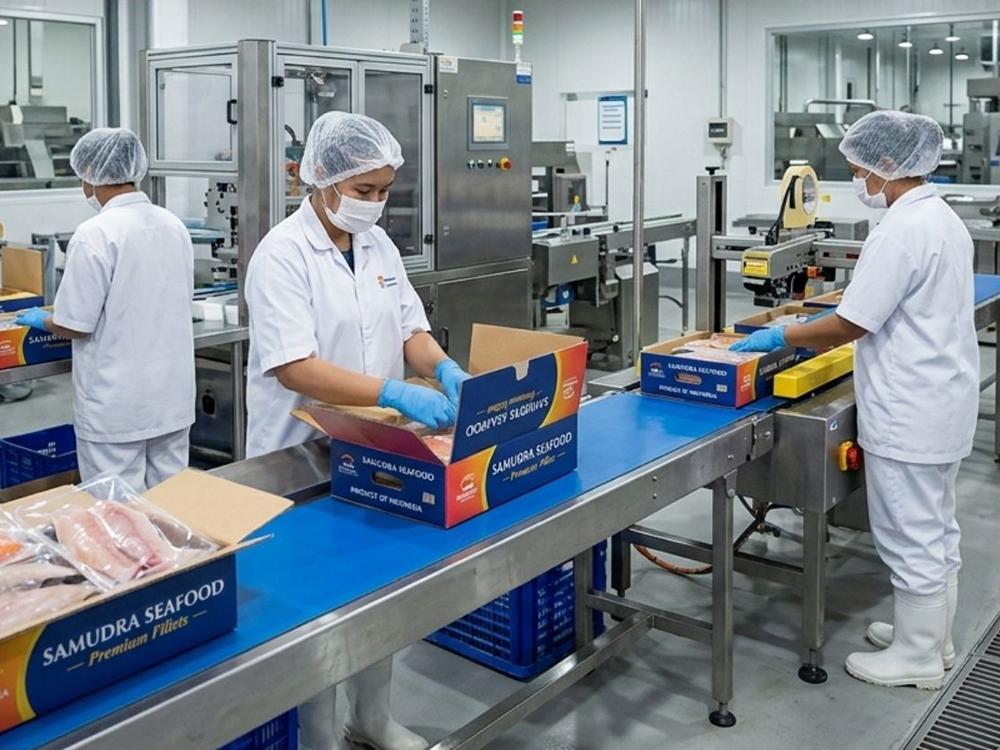
The food and beverage industry is facing the Packaging and Packaging Waste Regulation (PPWR), effective August 12, 2026. This is a significant challenge for seafood exports and agricultural exports, which heavily rely on plastic packaging.
Smart Consumption in the Context of Inflation
EU citizens are shifting toward convenient, easy-to-prepare products with minimal packaging waste. Ready-to-cook frozen seafood (such as fillets) is gaining an advantage. However, standards no longer stop at ASC/MSC certifications; they must also strictly comply with new packaging reduction regulations in logistics.
To ensure high-quality Vietnamese goods penetrate deep into retail chains, businesses must optimize packaging design and use environmentally friendly materials. This is a key factor for a foreign enterprise when deciding to place an order. A Vietnamese enterprise that offers innovative, plastic-free packaging solutions will see a significant increase in successful transactions.
5. B2B International Trade Platforms: The Bridge to Bring Vietnamese Goods to the World
In the era of the green and digital economy, finding partners is no longer limited to physical trade fairs. A B2B international trade platform has become the most effective bridge to bring Vietnamese goods to the world while optimizing costs.
Optimizing International Sales Channels
A modern Vietnamese enterprise must have a strong presence on cross-border e-commerce platforms. Here, businesses can:
-
Directly reach millions of international buyers.
-
Transparently display green certificates and ESG (Environmental, Social, and Governance) evidence.
-
Increase the rate of successful transactions through reputation rating systems and secure payment gateways.
Conclusion: Roadmap for Vietnamese Enterprises in the New Era
The EU’s green barriers in 2026 are not the end of export opportunities; they are a necessary screening process to honor true value. When each Vietnamese enterprise proactively changes its production mindset, focusing on quality products and data transparency, we not only secure traditional markets but also open new opportunities in other potential markets like North America or the Middle East.
Let high-quality Vietnamese goods become the pride of Vietnam’s source of goods on the global economic map. Taking full advantage of a B2B international trade platform will be the strategic move that shortens the distance and helps Vietnamese brands shine.
FAQ: Frequently Asked Questions about Exporting to the EU in 2026
1. Is the Digital Product Passport (DPP) mandatory for all Vietnamese export goods? The EU roadmap will apply DPP first to high-impact sectors like textiles and batteries, expanding to almost all consumer goods by the end of the decade. Preparing data starting in 2026 is essential to avoid order disruptions.
2. How can small businesses comply with the EUDR regarding deforestation? Small businesses can link through cooperatives or supply chain models to jointly invest in GPS positioning and digital cultivation area mapping. Joining a reputable B2B international trade platform also helps businesses access traceability support tools available on the platform.
3. What is the most important thing for agricultural and seafood exports regarding packaging (PPWR)? Prioritize packaging that is 100% recyclable or biodegradable. Additionally, reducing packaging size to optimize shipping space is a key criterion for meeting the EU’s green standards. This directly impacts the decision-making of the international buyer.
4. What does an international buyer look for in a Vietnamese supplier in 2026? Beyond price and quality, partners now prioritize sustainability standards (ESG) and data readiness for integration into their management systems. A Vietnamese supplier who can provide verified digital evidence of their green claims will be the preferred partner for any foreign enterprise.