

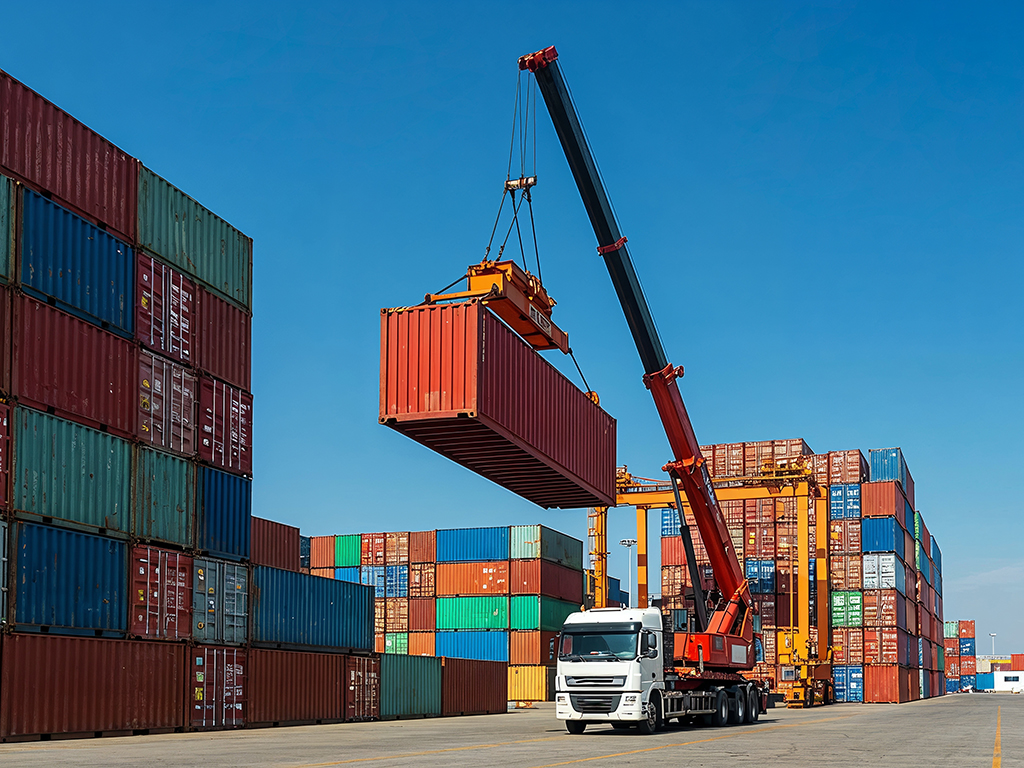
The upcoming year of 2026 is forecast to be a historic milestone. By then, “Green Consumption” in Europe in general and France in particular will no longer stop at voluntary Corporate Social Responsibility (CSR) campaigns. Instead, it will be officially governed by extremely strict legal frameworks, directly impacting the global export landscape.
1. Four New Regulations Will Reshape Entire Consumer Trends
According to a special note from the Vietnam Trade Office in France (Ministry of Industry and Trade), four major EU regulations will officially take effect in 2026. These barriers are predicted to completely change the market’s shopping habits and create significant pressure on key Vietnamese export goods.
First, the Ecodesign for Sustainable Products Regulation (ESPR) changes the rules of the circular economy Starting July 19, 2026, the EU will ban large enterprises from destroying unsold textile and footwear inventory. Alongside this, the Extended Producer Responsibility (EPR) mechanism will be activated, forcing brands to pay out of pocket for the collection and management of textile waste.

Under this pressure, the era of “fast fashion” and the “single-use” habit might come to an end as production costs are driven up. European consumers will form the habit of buying less but prioritizing durable, easily repairable, and reusable goods. Fashion brands in France will be forced to consider secondary sales models (second-hand) or old product take-back services as mandatory operational standards rather than voluntary programs.
Second, the Empowering Consumers for the Green Transition Directive (EU 2024/825) and the era of the Digital Product Passport From September 27, 2026, the EU will crack down on “greenwashing” practices. Businesses will be banned from using generic advertising messages like “environmentally friendly” without actual supporting data. To meet this requirement, the Digital Product Passport (DPP) will be introduced and become a mandatory traceability tool.
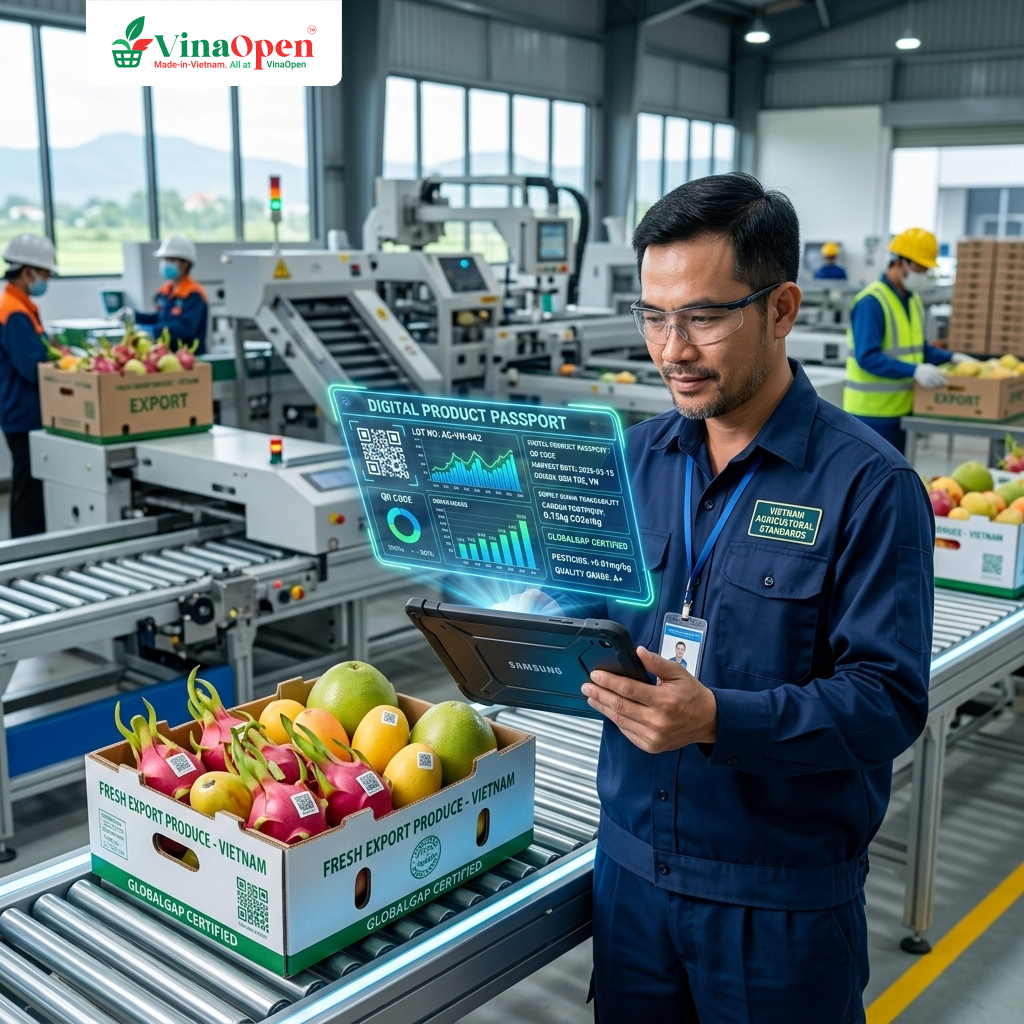
This law makes European customers more “picky” and pragmatic than ever. Retail chains will demand that suppliers make all digitized data transparent: from the origin of materials and chemicals used to emission levels. A lack of transparency means businesses will be immediately eliminated from international sales channels.
Third, the EUDR Regulation: Turning “deforestation-free” into a hard legal barrier Applying from December 30, 2026, for medium and large enterprises, the EU Deforestation Regulation (EUDR) will strongly affect the wood, furniture, and exported handicrafts sectors that originate from wood.

Although end consumers may not fully understand the technical terms, supermarket systems and distributors will proactively act as a “filter” right from the input stage to avoid legal risks. The fate of an order will now depend entirely on Global Positioning System (GPS) data to trace the plantation area. Without a transparent origin, goods will be blocked right at the border and lose the opportunity to access the market.
Fourth, the Packaging and Packaging Waste Regulation (PPWR) promotes “smart consumption” Effective August 12, 2026, this law creates enormous pressure, forcing businesses to optimize packaging design, minimize plastic waste, and use environmentally friendly materials in logistics.
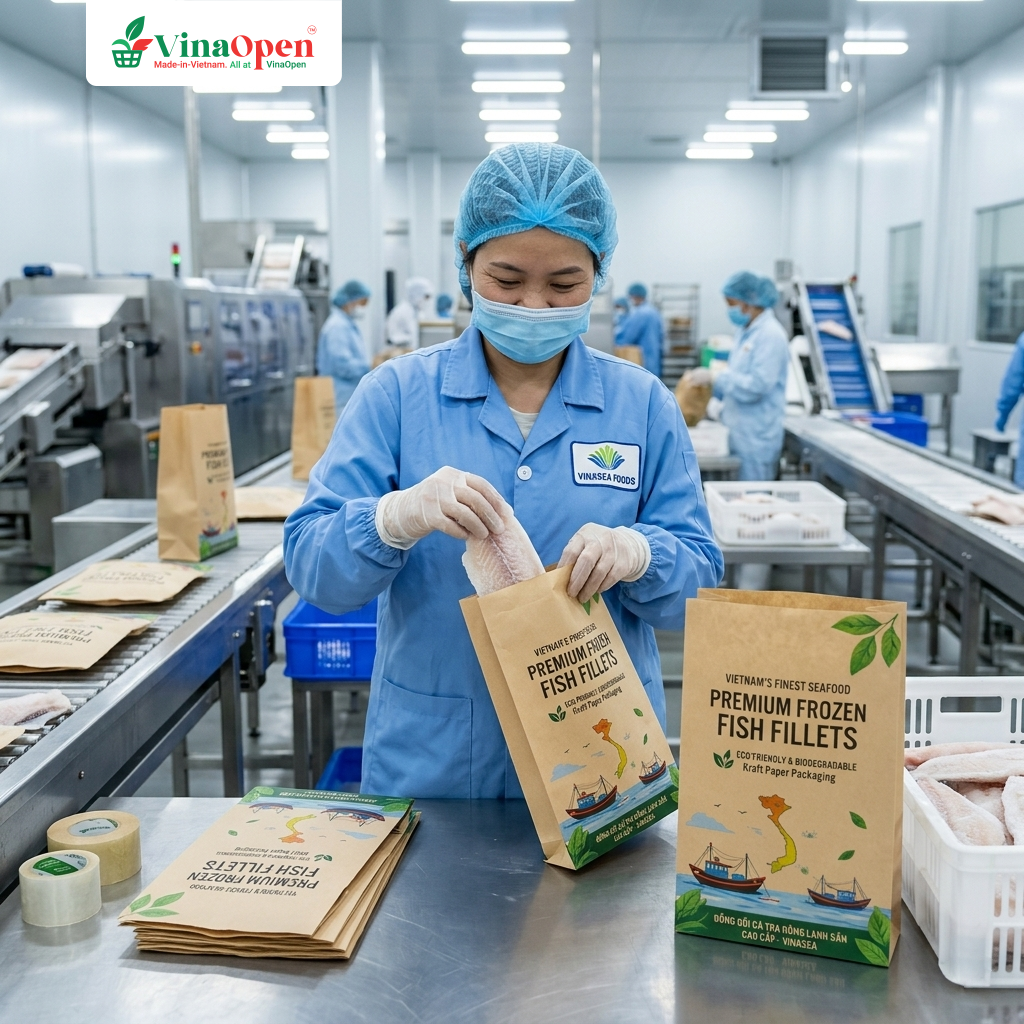
This regulation directly and strongly impacts the exported seafood as well as exported agricultural products groups. Currently, EU consumers are tightening their spending due to inflation (a 2024 report showed that at-home fresh fish consumption dropped by 5%). They prioritize “smart consumption” products: convenient, easy to prepare, and low-waste at reasonable prices. Therefore, supermarkets will become increasingly strict, demanding that imported goods not only meet ecological standards (ASC/MSC) but also strictly comply with the new packaging laws.
2. Proactively Transforming Production Models to Seize Opportunities
Looking back at 2025, Vietnam’s goods exports to the 27 EU countries maintained a very impressive growth momentum with a total turnover of $73.8 billion. Of which, Vietnam exported $56.2 billion to the EU (up 8.6%) and imported $17.6 billion from the EU (up 5.4%). The trade balance recorded an all-time high trade surplus of $38.6 billion.
However, to avoid being left out of the new “rules of the game,” the Vietnam Trade Office in France proposes that authorized agencies proactively support businesses in transforming their production models towards circularity, energy saving, and emission reduction.
As for the business community, now is the time to be more proactive than ever. Prioritizing the transformation of production models in a green, clean, and sustainable direction, while investing in clean technology, carbon management, and digital traceability systems, is a wise “head start” step to maintain stable export capabilities.
At the same time, businesses need to strongly apply cross-border e-commerce. Especially for small and medium enterprises, putting products on a reputable B2B marketplace is the answer to the cost problem. Participating in an international B2B marketplace or a global B2B marketplace not only helps open up integration opportunities but is also the fastest and most effective export sales channel today.
Finally, businesses should not forget to strengthen legal risk management and proactively connect with the Vietnam Trade Office in France as well as in the EU. This is an extremely useful information channel to update policies, find partners, and participate more deeply in global supply chains.